Quick Facts
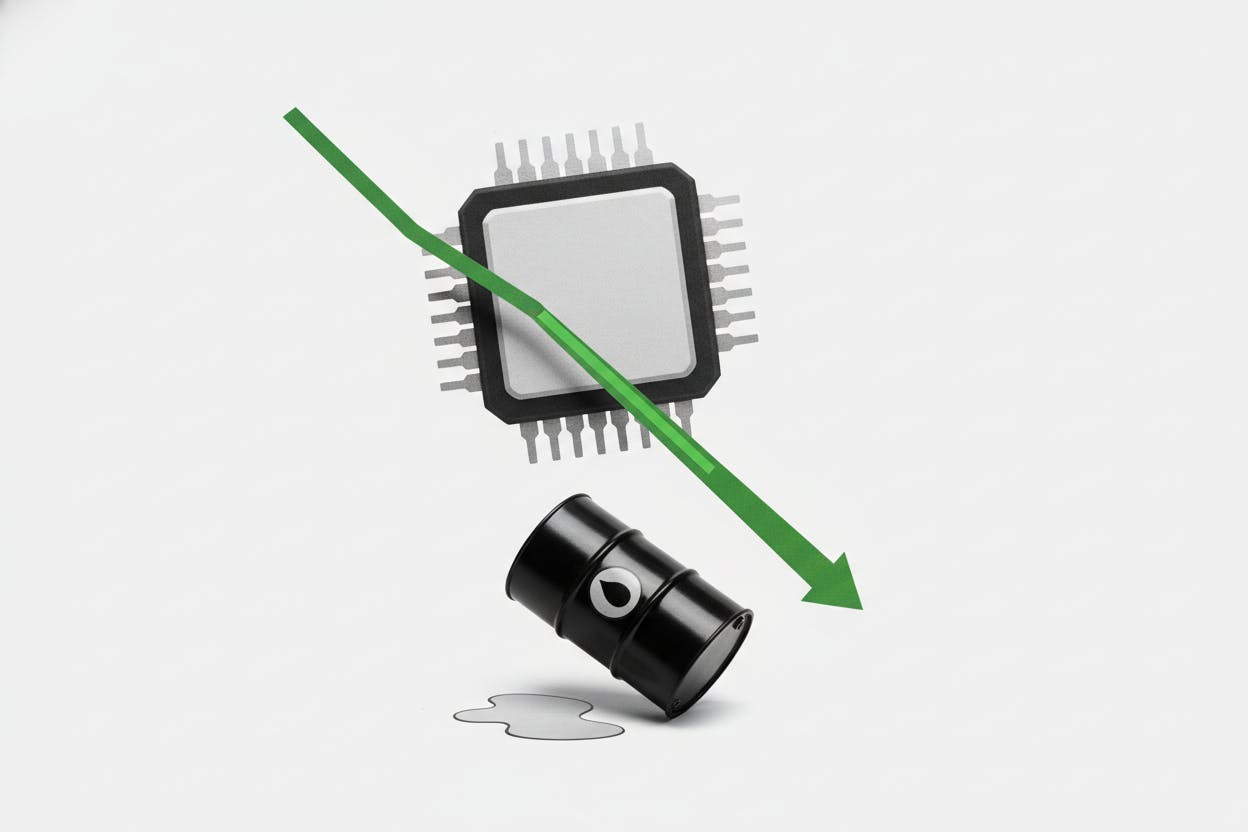
- April 2026 PPI Reading: A massive 6.0% year-over-year increase, signaling a significant PPI inflation impact across the economy.
- Monthly Momentum: Final demand surged by 1.4% in April, far exceeding the projected 0.5% growth.
- Primary Drivers: Energy costs spiked by 7.8%, while services inflation rose 1.2% according to the latest data.
- Fed Outlook Shift: Markets have adjusted interest rate expectations inflation, with a 39% probability now leaning toward a rate hike in 2026.
- Investment Strategy: Focus on defensive sector rotation and evaluating treasury yield risks for portfolio planning after PPI.
- Banking Sector: Rising wholesale price fluctuations are putting unexpected pressure on net interest margins and credit cost forecasts.
The April 2026 producer price index report has delivered a significant shock to the markets, with PPI inflation impact reaching a three-year high. Investors are now scrambling to adjust as wholesale price fluctuations disrupt interest rate expectations, putting the financial sector under intense pressure by signaling that a higher for longer monetary stance is likely to persist through the year.
Data Shocker: The April 2026 PPI Breakdown
| Metric | Consensus Forecast | Actual Result (April 2026) |
|---|---|---|
| PPI Month-over-Month | 0.5% | 1.4% |
| PPI Year-over-Year | 5.1% | 6.0% |
| Energy Costs | 1.8% | 7.8% |
| Services Costs | 0.4% | 1.2% |
The Anatomy of the PPI Surge: Services and Energy Spikes
The latest report from the Bureau of Labor Statistics captures a stark reality for the U.S. economy: upstream price pressures are not just lingering but accelerating. The 1.4% month-over-month increase in the PPI for final demand represents the sharpest climb since the volatile period of early 2022. For long-term portfolio managers, the composition of this surge is even more telling than the headline figure itself.
While energy costs surged by 7.8%, sparked largely by geopolitical tensions affecting the Hormuz Strait, the 1.2% rise in services is what should give investors pause. Services inflation is notoriously "sticky," meaning it tends to resist downward pressure even when other sectors cool. This suggests that the PPI inflation impact is becoming embedded in the structural economy. When wholesale price fluctuations reach this level, they inevitably trickle down to the consumer level, making the job of the Federal Open Market Committee significantly more difficult.
The 12-month headline producer price inflation reaching 6.0% in April 2026 effectively ends the narrative that inflation was on a glide path to the 2% target. We are now looking at a landscape where business costs are rising at more than double the intended pace, forcing a major reassessment of how we interpret core PPI data for fixed income investment strategy.
Interest Rate Expectations: Repricing the Fed's 2026 Path
Before this report, the prevailing market sentiment was one of cautious optimism regarding potential rate cuts later in the year. That optimism has been doused. The sudden jump in producer prices has forced market participants to drastically revise their interest rate expectations inflation forecasts. Instead of debating the timing of a cut, we are now seeing the market price in a 40% probability of an actual rate hike if these pressures do not subside.
This hawkish recalibration is visible in the bond market, where the 30-year Treasury yield recently peaked at 5.042%. For those evaluating treasury yield risks for portfolio planning after PPI, the classic "60/40" portfolio model is once again under fire as bond prices fall in tandem with equity volatility. Monetary policy tightening is no longer a historical footnote; it is the primary driver of current asset valuations.
Navigating US dollar strength after producer price index spikes is another critical component for global investors. A stronger dollar, fueled by higher domestic yields, can often act as a headwind for multi-national corporations but provides a cushion for domestic-focused banks. However, the sheer pace of the shift in yield curve dynamics means that the risk of a policy error by the Federal Open Market Committee remains the most significant tail risk for the 2026 fiscal year.
Financial Sector Outlook: Bank Earnings in the PPI Eye of the Storm
The financial sector often finds itself in a paradoxical position during periods of hot inflation. While higher rates can boost net interest margins—the difference between what a bank earns on loans and what it pays on deposits—the PPI inflation impact introduces new variables that complicate the bank earnings outlook PPI models.
Rising input costs for businesses often lead to reduced loan demand as corporate expansion becomes more expensive. Furthermore, the impact of services cost inflation on bank profit margins cannot be ignored; as the cost of operations and wages rises, it eats into the gains realized from higher interest rates. Regional banks, in particular, may struggle to pass these costs along as effectively as their Tier-1 counterparts like JPMorgan or Citigroup.
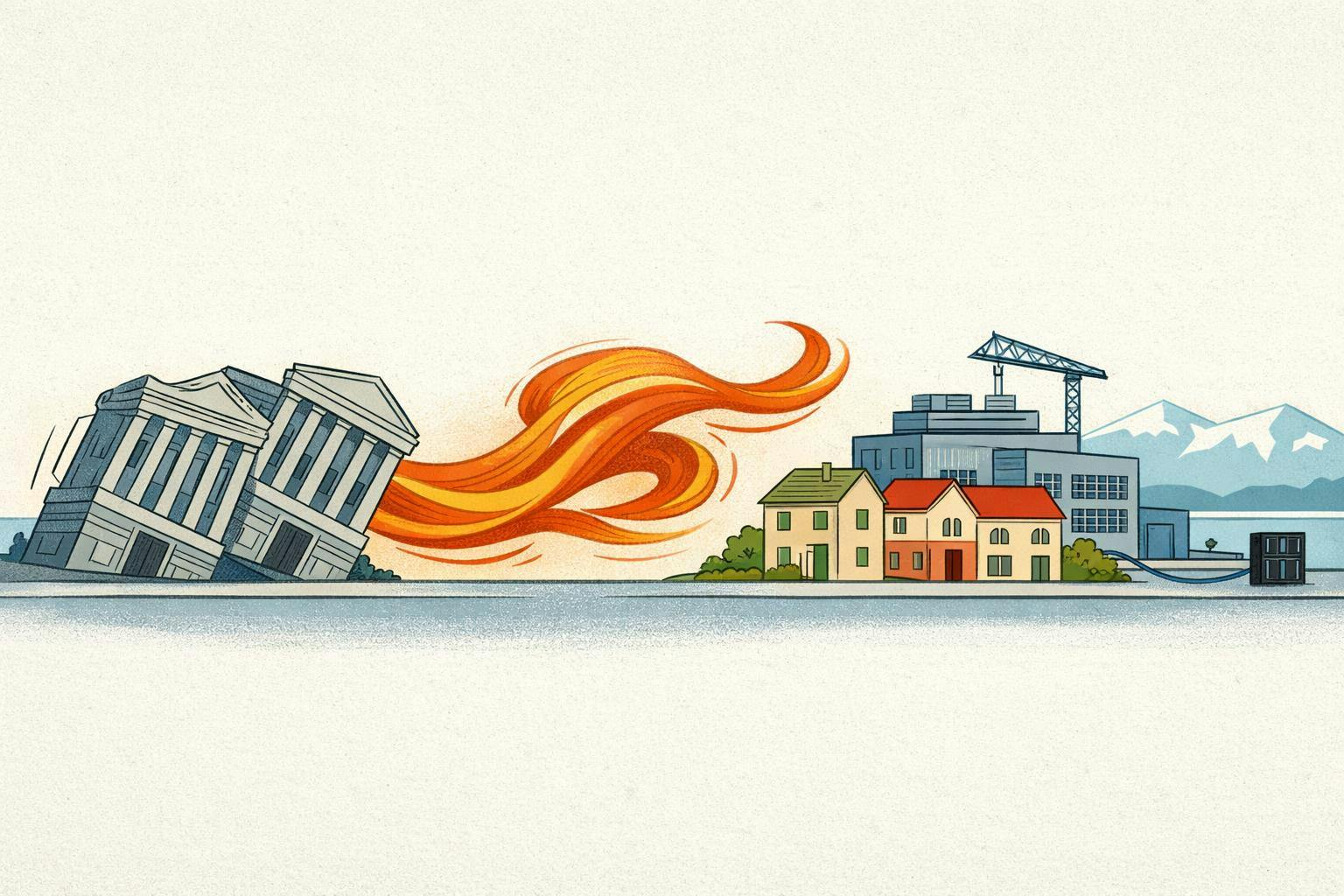
As we move into the first-quarter earnings cycle, starting April 14, professional analysts are closely watching for signs of credit quality deterioration. When upstream price pressures remain high, the risk of corporate defaults increases, especially for companies that cannot pass these costs to consumers. Monitoring this financial sector volatility guide requires a focus on loan loss provisions rather than just headline revenue growth. To truly understand how to protect bank stock investments from PPI surge, investors must look deep into the asset liability management of these institutions to ensure they aren't overly exposed to a potential equity valuation contraction.
Strategic Rebalancing: Protecting Portfolios from Inflation Spikes
Adapting to a stagflationary environment requires moving away from high-growth, high-multiple stocks that are sensitive to rising discount rates. Instead, the focus should shift toward sectors with high pricing power and low sensitivity to interest rate expectations inflation.
Strategic rebalancing financial portfolios for higher for longer interest rates involves a deliberate rotation. Traditionally, growth-oriented tech stocks suffer during these spikes because their future earnings are worth less in today’s dollars. In contrast, sectors like energy, utilities, and raw materials often act as natural hedges against wholesale price fluctuations.
Sector Rotation Framework: PPI Surge Response
| Sector | Outlook | Strategic Rationale |
|---|---|---|
| Energy & Commodities | Overweight | Directly benefits from the 7.8% jump in energy costs; natural inflation hedge. |
| Financials (Large Cap) | Neutral | Benefit from net interest margins, countered by rising operational costs and credit risk. |
| Real Estate (Industrial) | Neutral/Overweight | Infrastructure and data centers show resilience to borrowing costs due to high demand. |
| Technology (High Growth) | Underweight | Vulnerable to equity valuation contraction as terminal rates are repriced higher. |
| Utilities/Defensive | Overweight | Consistent cash flows and ability to pass on regulatory-approved cost increases. |
The disconnect we are seeing—where financials are sliding despite higher rates—tells us that the market is more concerned about the economic "landing" than the potential for margin expansion. In such an environment, the smart move is to prioritize liquidity and look for institutional capital flows moving toward "strategic real assets" that can withstand an extended period of monetary policy tightening.
FAQ
What is PPI inflation and why does it matter?
PPI inflation impact refers to the change in prices that domestic producers receive for their output. It serves as a critical thermometer for business costs and is often a precursor to consumer price changes. When PPI rises sharply, it signals that companies are facing higher expenses which they will eventually pass on to the public.
How does PPI affect consumer price inflation?
PPI acts as an early warning system. Because producer prices represent the costs of goods and services before they reach the consumer, a surge in wholesale price fluctuations typically leads to higher CPI (Consumer Price Index) numbers a few months later as retail prices are adjusted to maintain profit margins.
Is PPI a leading indicator for CPI?
Generally, yes. PPI measures the price of raw materials and services early in the supply chain. When the Bureau of Labor Statistics reports a hot PPI, it is usually interpreted by the Federal Open Market Committee as a sign that future consumer inflation will remain elevated, making it a vital tool for predicting monetary policy moves.
How does PPI inflation affect the stock market?
High PPI readings often cause a risk-off sentiment. Because it increases the likelihood of higher for longer interest rates, it can lead to equity valuation contraction, especially in growth sectors. However, the financial sector volatility guide suggests that some value-oriented sectors can remain resilient as investors seek inflation protection.
Why is high PPI bad for the economy?
High PPI can lead to a stagflationary environment, characterized by slow economic growth and high inflation. It squeezes business profit margins, reduces consumer purchasing power as prices rise, and forces the central bank to keep interest rates high, which can lead to higher unemployment and reduced investment over time.