
Quick Facts
- Net Worth Milestone: A retired Senior Policy Analyst reached her first $1 million in net worth at the age of 40.
- Entry Point: The journey began with a condo purchased at age 26 that saw a 10x value increase over three decades.
- Core Philosophy: Success was driven by a consistent habit of living on approximately 60% of her income.
- Strategic Leverage: Using the high-appreciation Washington D.C. housing market to upgrade primary residences while building equity.
- Retirement Synergy: Combining property gains with maxing out retirement contributions and federal benefits.
- Wealth Preservation: Utilizing estate planning tools like revocable trusts to manage multi-generational assets.
- 2026 Outlook: Strategic shifts toward Build-to-Rent (BTR) assets and scaling through portfolio rebalancing in high-growth hubs.
Real estate wealth building is more than just buying property; it’s about a disciplined lifestyle and strategic appreciation. For one senior policy analyst, reaching $1M by age 40 was achieved by living on 60% of income and leveraging the Washington D.C. housing market to create a self-sustaining cycle of equity and growth.
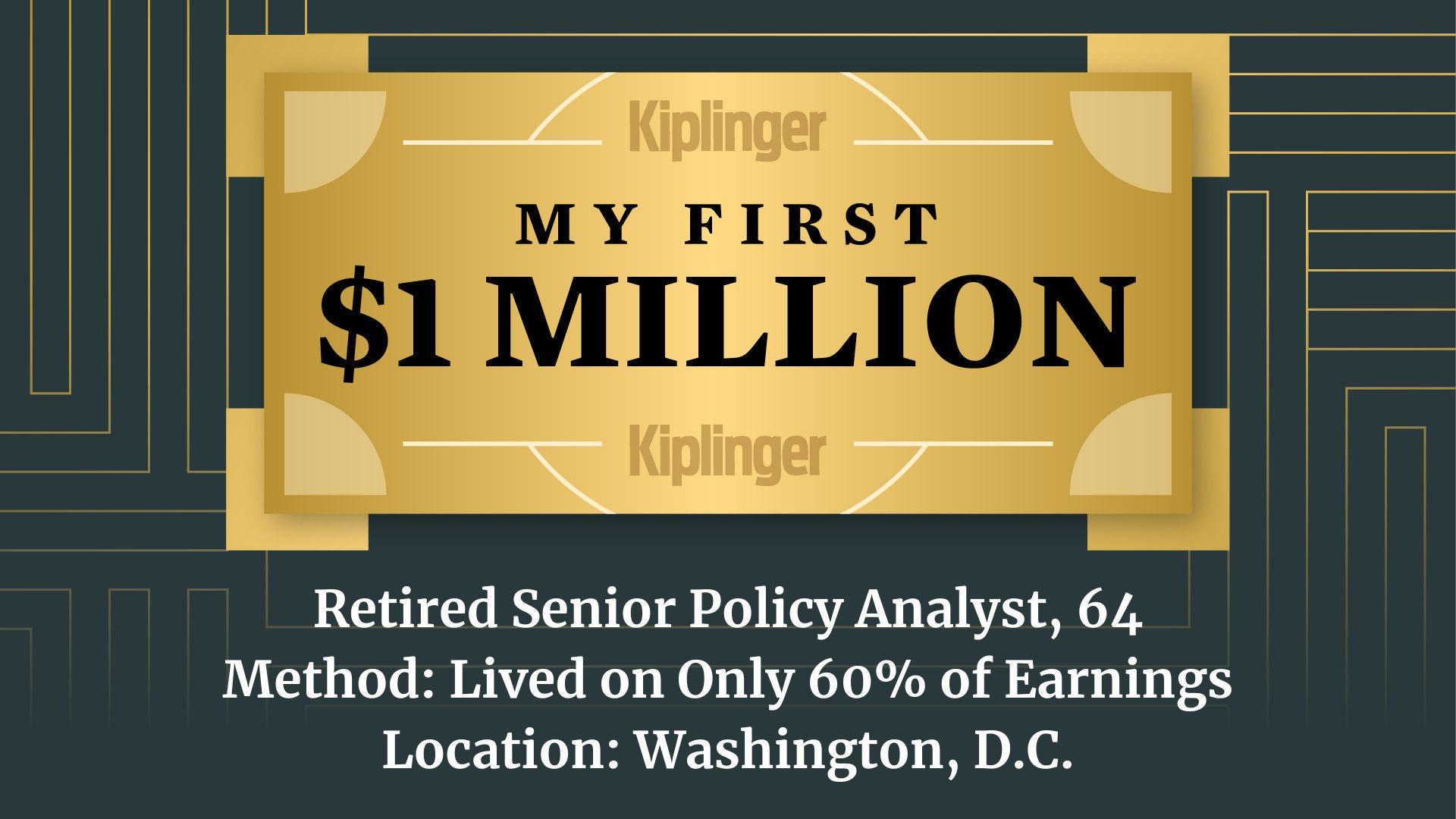
The Analyst’s Roadmap: From Condo to $1M
The path to a seven-figure retirement often begins not with a complex commercial deal, but with a single, savvy residential purchase. For a Senior Policy Analyst featured in Kiplinger, that entry point was a modest condominium in the heart of the district, purchased during her mid-twenties. This was not just a place to live; it was the foundation of a long-term real estate appreciation strategy. Over the next thirty years, that property experienced a staggering 10x growth in value, proving that time in the market frequently outpaces timing the market.
Entering the Washington D.C. housing market at age 26 required more than just a down payment; it required a vision of the city’s urban renewal and the patience to hold through market cycles. As the property value climbed, the analyst did not simply cash out for luxury upgrades. Instead, she allowed the home equity accumulation to serve as a financial safety net and a psychological anchor. This equity gave her the flexibility to eventually move into a larger home while maintaining a low-debt profile, which is a core pillar of any financial freedom guide for senior policy analysts.
Furthermore, being a federal employee provided a unique layer of stability. The combination of steady salary increases and federal retirement benefits meant that every dollar saved from her real estate appreciation strategy could be reinvested or used to pay down principal faster. This synergy between a stable career and an aggressive real estate wealth building approach allowed for a remarkably early retirement milestone, proving that high earners who master their housing costs can accelerate their path to $1 million significantly.
Combatting Lifestyle Creep: The Foundation of Wealth
One of the greatest threats to a high-earning professional’s retirement plan is lifestyle creep—the tendency for spending to rise in lockstep with income. While her peers may have upgraded to luxury vehicles or expensive social clubs as they rose through the ranks of policy making, the analyst maintained a strict Needs vs. Wants philosophy. By automating her finances, she ensured that her savings goals were met before she even saw her paycheck, essentially paying herself first.
The cornerstone of this discipline was her personal budget, which focused on living on 60 percent of her income. While the traditional 50/30/20 rule is a great starting point for many, high earners often need to be more aggressive to reach early independence. Living on a smaller percentage allowed for a higher savings rate, which directly fueled the ability to make more significant investments in the stock market and additional property ventures.
| Spending Category | Traditional 50/30/20 Rule | Analyst’s 60% Strategy |
|---|---|---|
| Necessities (Housing/Food) | 50% | 35% |
| Wants/Lifestyle | 30% | 25% |
| Savings/Investment | 20% | 40% |
Achieving this required a commitment to avoiding lifestyle creep and creating a portfolio that could weather inflation. A major part of this was a disciplined approach to maxing out retirement contributions. By consistently hitting the ceiling on her 401(k) and taking advantage of catch-up contributions as she neared her milestone, she maximized tax-deferred growth. This thrifty mindset, paired with high-earner savings rate targets, created a compounding effect that turned a six-figure salary into a seven-figure net worth.

2026 Real Estate Strategy: Snowballs and Scaling
As we move into 2026, the real estate wealth building landscape has shifted toward more sophisticated, passive models. The "real estate snowball" effect—where the cash flow from one property funds the down payment for the next—remains a powerful concept, but the geography of growth has changed. Modern investors are looking beyond the traditional coastal hubs and identifying new high-growth hubs such as Atlanta, the Dallas-Fort Worth DFW metroplex, and Raleigh. These markets offer a blend of job growth and relative affordability that the D.C. market had in the early 90s.
Scaling a portfolio today often involves transitioning from active management to passive long-term rentals. Many investors are now looking at Build-to-Rent (BTR) communities, which provide a professionalized rental experience and attract long-term tenants with higher credit scores. This reduces the friction of turnover and maintenance, which are common hurdles for retiring professionals. Strategic portfolio rebalancing—selling underperforming assets to reinvest in these growth hubs—is an essential move for anyone looking to secure a $1 million retirement.
- Target boring neighborhoods: Often, the most stable wealth is built in secondary markets with strong school districts.
- Hedge against interest rates: Utilizing fixed-rate mortgages as a hedge against future inflation is a timeless tactic.
- Focus on multifamily: Scaling from single-family units to duplexes or quadplexes can significantly lower the per-unit management cost.

Tax Force Multipliers and Investment Tools
The final stage of securing a $1 million retirement is protecting what you have built from the erosion of taxes and fees. A sophisticated real estate wealth building plan often involves the use of 1031 exchanges, which allow an investor to defer capital gains taxes when selling a property and reinvesting the proceeds into a new "like-kind" property. This tax strategy is a force multiplier for compounding equity over decades. Additionally, cost segregation can be used on larger rental properties to accelerate depreciation, significantly reducing the taxable income of high-earning professionals.
The decision of whether to pay off a mortgage before retirement is a nuanced one. In a low-interest environment, many investors prefer to keep the leverage and invest the difference in the stock market. However, there are significant pros and cons of paying off mortgage before retiring. For the analyst, the psychological peace of mind and the elimination of a major monthly expense were worth more than the potential margin of stock market gains. Without a monthly mortgage payment, the required withdrawal rate from her portfolio dropped, making her $1 million go much further.
Investor Toolbox 2026
- Financial Automation: New AI-driven budget tools have surpassed the classic YNAB, offering predictive spending analysis to help maintain that 60% savings rate.
- Robo-Advisors: Utilizing automated rebalancing for the stock portion of a portfolio ensures the asset allocation remains aligned with risk tolerance.
- Estate Planning Apps: Services that streamline the creation of revocable trusts and medical powers of attorney help ensure wealth is transferred seamlessly to the next generation.

FAQ
How can I start building wealth through real estate?
Starting usually involves purchasing a primary residence with a low down payment, such as an FHA loan, and living in it while making improvements. Over time, you can leverage the equity to buy a second property or turn the first into a rental. The key is to start early and choose areas with strong long-term appreciation potential.
Is real estate a reliable way to build long-term wealth?
Yes, because it is a tangible asset that historically appreciates over time and can provide a steady stream of passive income. When combined with the tax advantages of depreciation and capital gains deferral, it becomes one of the most effective tools for building a $1 million net worth.
What are the most effective real estate wealth building strategies?
The most effective strategies include a long-term buy-and-hold approach, the use of 1031 exchanges to defer taxes, and house hacking, where you rent out portions of your primary residence. Combining these with a disciplined savings rate ensures you have the capital to grow your portfolio.
What are the biggest risks when building wealth through real estate?
The primary risks include market downturns, high vacancy rates, and unexpected major repairs. Over-leveraging—taking on more debt than you can service during a vacancy—is the most common way investors get into trouble. Diversifying within real estate and maintaining a healthy cash reserve are essential for risk management.
How do you scale a real estate portfolio to build wealth faster?
Scaling involves moving from single-family homes to multifamily properties or commercial assets. Many investors use the BRRRR method (Buy, Rehab, Rent, Refinance, Repeat) to pull equity out of existing properties and fund new acquisitions without needing additional out-of-pocket savings.