Quick Facts
- 2026 Threshold: The standard deduction is set to rise to $32,200 for married couples and $16,100 for single filers.
- The Solution: Use a donor-advised fund strategy involving charitable bunching to hurdle the new deduction floor and maximize your tax savings.
- Asset Optimization: Donating appreciated assets to DAF accounts eliminates the 23.8% capital gains tax while providing a full fair market value deduction.
- Efficiency Stats: Total charitable assets in donor-advised funds grew by 27.9% in fiscal year 2024 to reach $327.87 billion.
- Payout Performance: The aggregate grant payout rate from DAFs reached 25.2% in 2024, consistently outperforming the 5% requirement for private foundations.
- Crypto Growth: High-net-worth investors contributed $786 million in cryptocurrency to Fidelity Charitable in 2024, highlighting a shift toward non-cash assets.
As we enter 2026, investors face a new tax landscape. With the standard deduction rising to $32,200 for married couples and a new AGI floor for itemizing, a proactive donor-advised fund strategy is no longer optional—it is essential for tax efficiency. The most effective donor-advised fund strategy for 2026 is charitable bunching, which involves consolidating multiple years of donations into a single tax year to hurdle the $32,200 standard deduction and maximize charitable tax deductions.
The 2026 Tax Shift: Why the Old Way of Giving is Dead
The financial world is bracing for the impact of the One Big Beautiful Bill Act (OBBBA) and the sunsetting of various Tax Cuts and Jobs Act provisions. For years, many taxpayers have relied on a steady, annual giving cadence. However, the 2026 standard deduction impact on charitable giving strategy cannot be overstated. When the standard deduction hits $32,200 for joint filers, many households that previously itemized will find themselves taking the standard deduction by default.
When you take the standard deduction, your charitable gifts provide zero incremental tax benefit. You are effectively giving "expensive" dollars. To adjust, savvy investors are moving toward a lump and clump logic. By concentrating several years of planned giving into a single tax window, you can push your total itemized deductions—including mortgage interest and state taxes—well above the $32,200 floor.
This shift is already visible in the data. Contributions to these accounts rebounded with a 38.6% increase to $90.57 billion recently. High-income earners are realizing that without a strategic vehicle like a DAF, their philanthropic impact is being dampened by a higher tax bill. Using the current tax code to your advantage requires looking at your Adjusted Gross Income (AGI) not as a static number, but as a lever you can pull through timed contributions.
Mastering the Charitable Bunching Strategy
A charitable bunching strategy is essentially a timing maneuver. Instead of giving $15,000 every year to your local 501(c)(3) public charity, you contribute $30,000 or $45,000 to a donor-advised fund in year one. This massive contribution allows you to itemize in that specific year, significantly lowering your taxable income. In the subsequent years, you take the standard deduction and use the funds already sitting in your DAF to maintain your support for your favorite causes.
Think of the DAF as a philanthropic water tower. You fill it up during "wet" years when you need the tax deduction, and you release the water slowly during "dry" years. This decoupling of the tax deduction from the actual grant-making is what makes this the top donor-advised fund strategy for the upcoming fiscal years.
| The Bunching Math: A Comparison | Annual Giving (2 Years) | DAF Bunching Strategy |
|---|---|---|
| Year 1 Donation | $15,000 | $30,000 |
| Year 2 Donation | $15,000 | $0 (Grants from DAF) |
| Year 1 Deduction | $32,200 (Standard) | $45,000 (Itemized: $30k gift + $15k other) |
| Year 2 Deduction | $32,200 (Standard) | $32,200 (Standard) |
| Total Deduction | $64,400 | $77,200 |
| Tax Savings Benefit | $0 extra | $12,800 extra deduction |
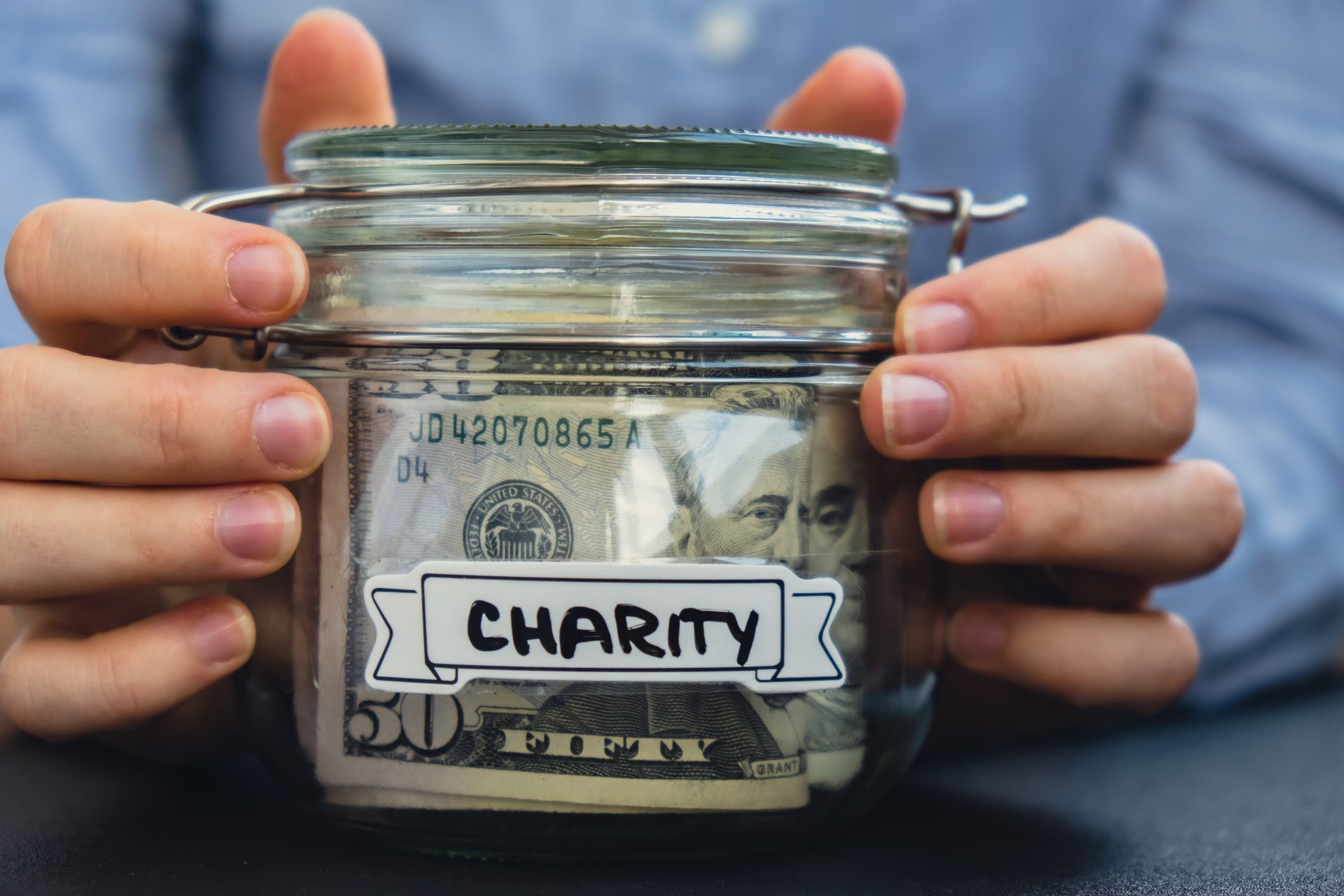
Learning how to set up a donor-advised fund for bunching is a straightforward process involving a sponsoring organization. Once established, the fund allows your assets to be invested for potential growth, meaning the amount available for your charities could increase over time, all while the tax benefit remains locked in from the year of contribution.
Asset Optimization: Donating Appreciated Assets to DAF
One of the most overlooked aspects of maximizing charitable tax deductions is what you give, rather than how much. Most donors reach for their checkbooks, but donating cash is often the least efficient way to give for high-net-worth individuals. Instead, donating appreciated assets to DAF accounts provides a double-edged tax sword.
When you sell stock held in taxable brokerage accounts that has grown in value, you owe a capital gains tax of up to 23.8%. However, by transferring those securities directly to a DAF, you eliminate the capital gains tax entirely. Furthermore, you receive a deduction for the full Fair Market Value (FMV) of the asset, provided you have held it for more than one year.
This is particularly effective when using donor-advised funds to offset large capital gains from a business sale or a concentrated stock position. Consider the trend in modern finance: donors contributed $786 million in cryptocurrency to Fidelity Charitable in 2024, which was a 14-fold increase from the prior year. Whether it is Bitcoin, Apple stock, or privately held shares, the fair market value deduction remains the gold standard for tax-efficient giving.

It is important to note the deduction limits. You can generally deduct non-cash assets up to 30% of your Adjusted Gross Income, while cash allows for up to 60%. If you exceed these limits in a bunching year, the IRS allows you to carry the excess deduction forward for up to five years. This flexibility is vital when developing strategies for donating non-cash assets to a donor-advised fund during high-income years.
Beyond Giving: DAFs for High-Income Event Offsetting
As an editor focusing on compliance, I often see investors struggle with tax bracket creep. This happens when a large bonus, a business exit, or even a Roth conversion pushes you into a higher federal tier. Using a well-timed donor-advised fund strategy can act as a shock absorber for these "trigger events."
By making a large DAF contribution in the same year as a high-income event, you effectively lower your taxable income, potentially keeping you in a lower tax bracket. This is a common tactic for preventing tax bracket creep with donor-advised fund contributions.
Furthermore, these funds serve as excellent vehicles for donor-advised fund investment strategies for tax-free growth. Once the assets are inside the DAF, they can be invested in various mutual funds or ETFs. Any growth is completely tax-free, allowing your initial contribution to turn into a much larger philanthropic legacy. This is a crucial component of estate planning integration and tax-efficient wealth transfer for families looking to instill values of giving in the next generation.
Choosing Your Vehicle: DAF vs. Private Foundation
While many ultra-high-net-worth families historically looked at private foundations, the donor-advised fund vs private foundation comparison now favors the DAF for most investors. Foundations are fraught with high administrative costs, mandatory public filings, and a rigid 5% annual payout requirement.
In contrast, DAFs managed by organizations like Daffy, Fidelity, or Vanguard offer much lower entry points and administrative fees, often around 0.60%. They also provide significantly better privacy, as personal grants can be made anonymously if desired.
| Feature | Donor-Advised Fund (DAF) | Private Foundation |
|---|---|---|
| Setup Time | Minutes | Months (Legal/IRS filing) |
| Startup Costs | $0 - $25,000 | $5,000 - $15,000+ |
| Admin Fees | Low (approx. 0.60%) | High (Accounting/Legal) |
| Payout Rule | No federal minimum | 5% of assets annually |
| Tax Deduction | FMV up to 30% - 60% AGI | Cost basis or limited FMV |
The aggregate grant payout rate from donor-advised funds reached 25.2% in fiscal year 2024, proving that these vehicles are not just tax shelters, but active engines for charitable work. For those looking for grantmaking flexibility and simplified compliance, the DAF is the clear winner for contemporary portfolio rebalancing.
FAQ
What is the best donor-advised fund strategy for tax savings?
The best strategy usually involves charitable bunching combined with donating appreciated assets to DAF accounts. By contributing several years' worth of donations in a single high-income year, you can exceed the standard deduction threshold and eliminate capital gains taxes on your investments simultaneously.
How does a donor-advised fund bunching strategy work?
You contribute two or three years of charitable giving into a DAF in a single year. This allows you to itemize your deductions for that specific year, which reduces your tax liability. In the following years, you take the standard deduction on your tax return while using the funds in the DAF to support your charities.
Is a donor-advised fund better than a private foundation?
For most investors, yes. DAFs have significantly lower startup and maintenance costs, provide higher tax deduction limits relative to AGI, and offer better donor privacy. Private foundations are generally only more beneficial for those with assets exceeding $10 or $20 million who require direct control over staff or complex international grants.
What types of assets can I contribute to a donor-advised fund?
You can contribute cash, publicly traded stocks, bonds, and mutual funds. Many modern DAF providers also accept complex assets such as cryptocurrency, privately held company stock, and even certain types of real estate.
Are contributions to a donor-advised fund tax-deductible?
Yes, contributions are tax-deductible in the year they are made to the fund, provided you itemize your deductions. Because the sponsoring organization is a 501(c)(3) public charity, you receive the tax benefit immediately, even if you do not recommend grants to specific charities until years later.
Next Steps: Designing Your 2026 Giving Plan
Executing a donor-advised fund strategy requires a clear timeline and coordination with your tax professional. To get started for the 2026 tax year, follow this checklist:
- Review Your AGI: Work with a CPA to estimate your 2026 income and determine if you are close to the $32,200 standard deduction mark.
- Identify Appreciated Securities: Look through your taxable brokerage accounts for stocks or funds with high unrealized gains that have been held for over a year.
- Select a Sponsoring Organization: Choose between a national provider, a community foundation, or a tech-forward platform like Daffy.
- Commence the Transfer: Ensure non-cash transfers are initiated well before the December 31 deadline to allow for processing and the completion of Form 8283 for your tax filing.
By being deadline-aware and detail-oriented now, you can transform your charitable giving from a simple annual expense into a powerful wealth management tool. Your philanthropic impact will remain high, while your tax liability remains as low as the law allows.