Our Top Picks
The S&P/TSX Composite Index finished 2025 with an approximate 28% gain, marking its strongest year since the recovery of 2009. The primary performance drivers included Gold and Precious Metals for growth, the Big Six Banks for defensive stability, and Oil and Gas as a late-year stabilizer. Investors who maintained exposure to these core pillars benefited from 63 record-breaking trading sessions throughout the year.
The TSX 2025 review marks a historic year for Bay Street, as the S&P/TSX Composite Index delivered its strongest annual performance since 2009 with a 28% gain. Despite a late-December metals pullback and profit-taking session, the index reached record highs and closed near the 31,713 level. This robust upward trend was supported by a resource-heavy index composition that capitalized on geopolitical shifts and a stable domestic banking sector.
Breaking the 30,000 Barrier: A 2025 Milestone Timeline
For long-term investors, 2025 was a year where patience was rewarded with consistent benchmark valuation growth. The journey to the final closing price of 31,713 was marked by several technical and psychological milestones that defined the bull market trend.
| Date | Milestone | Market Impact |
|---|---|---|
| September 23, 2025 | Breach of 30,000 points | Psychological breakthrough fueled by rate cut expectations. |
| December 19, 2025 | Liquidity Surge | 689 million shares traded as institutions rebalanced before year-end. |
| December 23, 2025 | All-time high of 32,058.70 | The peak of the 2025 rally before the holiday consolidation. |
| December 31, 2025 | 31,713 Close | Final settlement reflecting a slight retreat from the peak. |
The S&P/TSX Composite 2025 performance was not a straight line up, but rather a series of calculated advancements. The September breach of the 30,000-point threshold was particularly significant, marking a shift in investor sentiment from cautious optimization to aggressive accumulation. As historical tsx index returns 2025 for portfolio benchmarking suggest, this milestone provided the momentum needed to carry the index through the final quarter. The surge in trading volume on December 19 indicated that large-scale institutional players were effectively setting the stage for their 2026 positioning, ensuring high market liquidity even as the year wound down.
Sector Showdown: Canadian Mining and Energy Sector Comparison
Understanding the internal mechanics of the Canadian market requires a deep dive into the materials sector and energy complex. We often refer to this as the one index, two commodity moods framework. While both sectors are resource-dependent, they reacted differently to the macroeconomic environment of 2025.
The Canadian mining and energy sector comparison reveals a divergence in performance between precious metals and industrial materials. Gold production, where Canada ranks 4th globally, was the clear winner. Driven by a geopolitical risk premium and central bank buying, gold prices pushed many mining equities to double-digit gains. Conversely, base metals like copper and nickel saw more volatility, tied closely to global industrial demand signals.
The resource sector remains a powerhouse for the domestic economy, with mining contributing approximately $111 billion to Canada's GDP. However, for those identifying tsx value stocks after 2025 historic gains, the focus must shift toward quality and cost-efficiency. In the energy space, the story was one of resilience. While not matching the meteoric rise of gold, oil and gas stocks provided a necessary hedge during bouts of inflation, maintaining a strong commodity price correlation that protected diversified portfolios. When balancing tsx energy vs mining stocks in 2026, investors should look for companies with low debt-to-equity ratios that can withstand potential fluctuations in global demand.
The Late Metals Pullback and Year-End Profit-Taking
The final weeks of the year introduced a classic profit-taking session that tested the nerves of retail investors. After reaching a record peak on December 23, the index experienced a minor retracement. On the final trading day of the year, the index recorded a 0.5% decline as investors locked in gains.
This volatility was most evident in the contrast between energy and materials. While oil prices rose by 2% in late December, gold retreated by 1.4%. This movement highlights the importance of rebalancing canadian dividend portfolios after 2025 returns. The retreat was not a sign of fundamental weakness but rather a tactical rebalancing where fund managers trimmed winning positions in gold and technology to redistribute capital into undervalued areas like the Big Six banks.
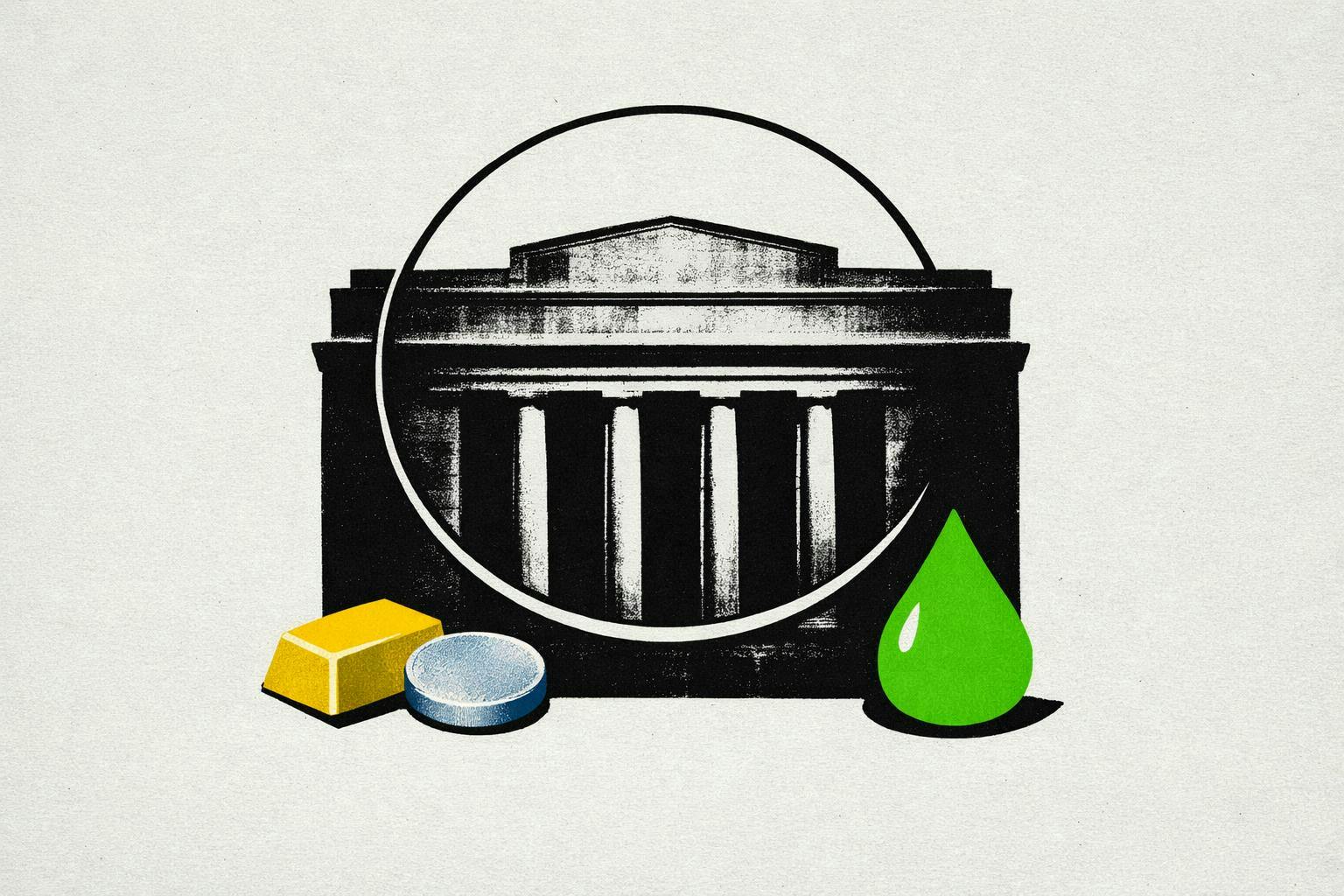
From a portfolio strategy perspective, this late-year softening provided a healthier entry point for those who missed the autumn rally. The S&P/TSX Composite Index finished 2025 with a gain of approximately 28%, representing the Canadian benchmark's strongest annual performance since 2009. Historically, years following such massive gains tend to see a normalization of returns, making these year-end pullbacks essential for cooling off an overheated market.
Canada Stock Market Outlook 2026: Interest Rates and Policy Impacts
As we look toward the first quarter, the Canada stock market outlook 2026 is heavily contingent on macroeconomic sentiment and monetary policy signals. The era of aggressive rate hikes has transitioned into an interest rate pivot phase, where the timing and frequency of cuts by the U.S. Federal Reserve will dictate market direction.
Investors should pay close attention to how us interest rates affect tsx miners in 2026. Because commodities are priced in U.S. dollars, a softening greenback—driven by Fed easing—typically acts as a tailwind for Canadian resource stocks. Furthermore, domestic policy will play a role; the Budget 2025 tax credits for critical minerals are expected to stimulate investment in the materials sector, particularly for companies involved in the electric vehicle supply chain.
For the strategy-minded investor, the focus for 2026 should be on:
- Monitoring inflation data to gauge the speed of the interest rate pivot.
- Assessing the Big Six banks for dividend growth as credit loss provisions stabilize.
- Evaluating the impact of U.S. trade policies on Canadian energy exports.
The TSX remains a high-conviction environment for those who understand its cyclical nature. While the 28% gain of 2025 sets a high bar, the structural demand for Canadian resources and the stability of its financial institutions provide a solid foundation for the year ahead.
FAQ
Is the TSX too concentrated in mining and banks for long-term safety?
The resource-heavy nature of the index does introduce specific sector risks, particularly sensitivity to global commodity prices. However, the Big Six banks provide a structural buffer that many other global indices lack. For a balanced tsx 2025 performance review for retail investors, I recommend complementing TSX holdings with global exposure to tech and healthcare to offset this concentration.
How sustainable is the 28% gain as we move into 2026?
A 28% annual return is historically exceptional. While the fundamentals of the Canadian market remain strong, investors should expect more moderate growth in 2026. The key will be sector rotation—moving from the high-flying materials of 2025 into value-oriented financials and diversified industrials that may have lagged during the initial rally.
What should I do with my dividend portfolio after the year-end pullback?
The late-year retreat is a standard market mechanism. Rather than exiting positions, use this time for portfolio rebalancing. Ensure that your dividend winners haven't become an oversized portion of your capital. Maintaining a disciplined allocation ensures that you can capture yield without being overexposed to a single sector's volatility.
Navigating the historic S&P/TSX Composite 2025 performance requires looking beyond the headline numbers. Driven by a resurgent mining sector, the S&P/TSX Composite Index achieved a total of 63 separate all-time highs during 2025 before closing the year near the 31,713-point level. By focusing on the structural drivers of materials and the stability of the financial core, investors can position themselves effectively for whatever 2026 brings to Bay Street.