Quick Facts
- Market Size: The global collectibles market was valued at approximately $304.55 billion in 2024 and is expected to grow.
- Growth Forecast: Experts project the industry will reach $321.45 billion in 2025, driven by increased interest in alternative assets.
- Top Category: Vintage vinyl records and retro toys led the market recently with a 42.60% revenue share.
- The Golden Rule: Always research realized prices (actual sales) rather than asking prices seen on public listing sites.
- Valuation Trigger: Seek a professional appraisal for any individual item suspected of being worth more than $500 to ensure proper insurance coverage.
- Immediate Action: Stabilize the environment of your collection immediately to prevent environmental degradation and loss of value.
- Estate Priority: Maintain a digital inventory to help heirs avoid legal disputes and maximize the realized value of the portfolio.
To effectively succeed in valuing collectibles, owners must curate a detailed inventory, research fair market value through realized auction prices on specialized databases, and secure professional appraisals for high-stakes assets like insurance or estate planning. Rarity, mint condition, and a verifiable provenance are the primary pillars that dictate the final financial worth of any tangible asset.
Step 1: Immediate Asset Preservation and Storage
Before you begin determining market value of vintage items, you must secure the physical integrity of the assets. In my years of portfolio strategy, I have seen significant wealth evaporated simply because an investor failed to control the climate of their storage facility. Collectibles are sensitive, and their condition is perhaps the most volatile variable in their valuation.
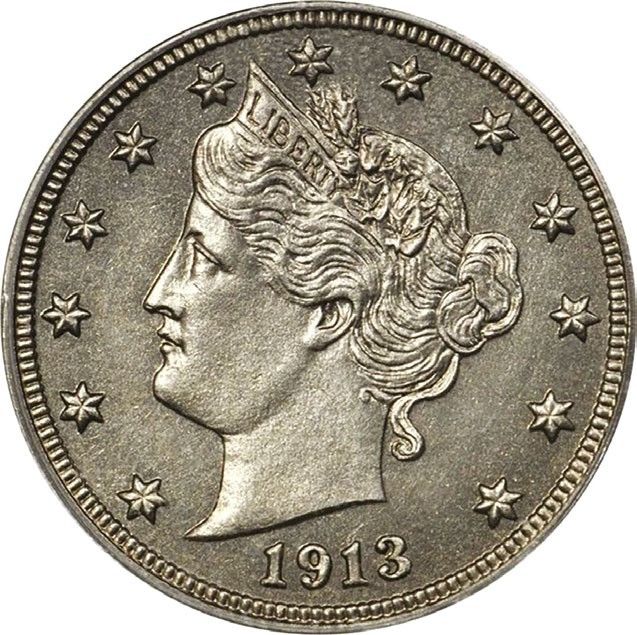
Stable storage is your first line of defense in asset protection. For those managing philatelic or numismatic holdings, the rules are rigid. Stamps should be stored upright in specialized albums rather than stacked, as the weight of a stack can cause ink transfer or gum disturbance. Similarly, numismatic assets should be kept in PVC-free holders to prevent chemical reactions that cloud the metal surface.
If you have recently become responsible for appraising inherited collections, follow the thirty-day rule: do not rush into a sale. Inheritors often experience "panic selling" during the emotional aftermath of a loss, frequently accepting the first low-ball offer from a local dealer. Take a month to stabilize the items—handle art only with cotton gloves and keep vintage furniture out of direct sunlight to prevent wood desiccation—before you even look at a price guide. Maintaining mint condition during this phase ensures you do not inadvertently devalue the portfolio before it is even cataloged.
Preservation Checklist
- Climate Control: Maintain a consistent humidity level between 45% and 55%.
- Light Exposure: Utilize UV-filtering glass for framed art and keep furniture away from windows.
- Handling: Use powder-free nitrile or cotton gloves for metals, paper, and textiles.
- Orientation: Store books and albums vertically to prevent spine damage.
Step 2: Inventorying Personal Collections for Valuation
The difference between a "closet full of stuff" and a managed alternative asset portfolio is documentation. When inventorying personal collections, the goal is to create a transparent trail that any future auditor, insurer, or heir can follow. This process is the foundation for valuing collectibles accurately.
We recommend starting with a high-resolution digital log. For every item, capture clear photos of the object from all angles, including close-ups of hallmarks and artist signatures. If you are learning how to inventory a large personal collection for heirs, you must also include the provenance. Provenance refers to the history of ownership and is often what separates a five-figure museum piece from a common reproduction. Locate original purchase receipts, gallery invoices, and previous appraisal reports to include in the digital file.
Digital Inventory Essentials
- Description: Detailed notes on dimensions, materials, and any visible flaws.
- Markers: Photos of maker marks, serial numbers, or watermarks.
- Condition Report: A candid assessment of wear, repairs, or damage.
- Context: Documentation of where and when the item was acquired.
Step 3: DIY Research vs. Professional Appraisal
Once your inventory is complete, you must decide between self-guided research and hiring an expert. For low-stakes items, DIY research is often sufficient. Use industry-standard databases to find realized prices—the actual amount a buyer paid—rather than the "buy it now" prices on eBay, which often reflect a seller's wishful thinking rather than market reality.
For philately, the Scott Standard Postage Stamp Catalogue is the gold standard, while the Red Book is the essential reference for US coins. If you are looking for realized prices for fine art or high-end furniture, Artnet or Sotheby’s auction results provide a more accurate picture of the current market.
However, professional appraisers are necessary for high-value items or legal requirements. If you are appraising inherited collections for estate tax purposes or seeking an insurance appraisal for valuable collectibles, a hobbyist's opinion won't suffice. When finding trusted experts for valuing rare sports cards or antiques, look for credentials from the American Society of Appraisers (ASA) or the International Society of Appraisers (ISA). These professionals follow the Uniform Standards of Professional Appraisal Practice (USPAP) and charge an hourly or flat fee—never a percentage of the item's value, which would be a conflict of interest.
Understanding Valuation Types
It is vital to understand that an item does not have a single "price." The value changes based on the purpose of the valuation.
| Valuation Type | Definition | Best Used For |
|---|---|---|
| Fair Market Value | The price a willing buyer and seller agree upon in an open market. | Estate taxes, donations, and sales. |
| Insurance Replacement Cost | The cost to replace an item with a similar one in a short timeframe. | Insurance policies (usually the highest value). |
| Liquidation Value | The price realized in a forced, rapid sale. | Bankruptcy or immediate cash needs. |
Step 4: Technical Identification: Markers and Authentication
Authentication is where the nuances of valuing collectibles become highly technical. When assessing condition and provenance for valuable art pieces, small details often dictate the presence of thousands of dollars in value. Identifying maker marks to determine antique furniture value is a classic example; for instance, examining the joinery of a chest can reveal its age. Hand-cut dovetails indicate a pre-industrial origin, while machine-cut joints suggest a later, more common production.
In the world of porcelain, specific insignias like the Meissen crossed swords have varied over centuries, and a slight curve in the blade can signify a specific decade of production. Similarly, for those determining market value of vintage items for auction, the presence of original packaging can increase the price of a retro toy by 300% or more. A "Mint in Box" (MIB) designation is the holy grail for collectors of 20th-century memorabilia.
Red flags to watch for during identification include modern materials in supposedly ancient items. The presence of Phillips-head screws or modern staples in a piece of "18th-century" furniture is an immediate indicator of a reproduction or a significant, value-detrimental repair.
Step 5: Integrating Collections into Estate Planning
From a portfolio strategy perspective, collectibles are often the most neglected part of estate planning. Because they are "illiquid" and "tangible," they are frequently left out of the formal legal documentation needed for including collections in a trust. This omission is a primary cause of family disputes during probate.
Valuing collectibles for an estate requires more than just a list of prices; it requires a plan for disposition. You should specify in your will or trust whether items should be sold and the proceeds divided, or if specific pieces are to be bequeathed to certain heirs. For tax-conscious investors, donating a collection to a qualified non-profit (like the American Philatelic Society for stamps) may offer a significant tax deduction based on the fair market value, potentially offsetting other estate taxes.
Ensure your heirs have access to your digital inventory and a list of your trusted experts. By organizing these records now, you protect the financial legacy of your collection and ensure that the wealth you have curated across decades is not lost to mismanagement or legal confusion.
FAQ
How can I find out what my collectibles are worth?
To find the value of your items, start by searching for realized prices on auction databases or specialized price guides like the Red Book for coins. Avoid looking at asking prices on retail sites, as these do not reflect actual market transactions. For items suspected to be high-value, hire a certified professional appraiser.
What is the best way to value a large collection?
The most efficient method is to first curate the collection by grouping similar items and identifying the "stars" or high-value pieces. Create a comprehensive inventory with photos and descriptions, then use a combination of DIY database research for common items and professional appraisals for the top-tier assets.
How do I choose a reputable appraiser for my items?
Look for appraisers who are members of recognized professional organizations such as the American Society of Appraisers or the Appraisers Association of America. Ensure they are USPAP compliant and charge an hourly or flat fee rather than a commission, as commission-based fees are considered unethical in the appraisal industry.
What is the difference between market value and insurance value?
Market value, or fair market value, is the price an item would likely sell for between a willing buyer and seller. Insurance value, or replacement cost, is typically higher because it accounts for the cost of finding and purchasing a comparable replacement in a limited amount of time.
Do original boxes and packaging increase an item's value?
Yes, original packaging significantly increases the value of vintage items, particularly in the toys and electronics categories. In some cases, a mint-condition item in its original, sealed box can be worth three to five times more than the same item without its packaging.
How does item condition affect the final valuation?
Condition is one of the most critical factors in valuing collectibles. Items are often graded on a scale (such as Mint, Excellent, Very Good, or Poor). Even minor flaws like a small crease on a baseball card or a tiny chip in a porcelain figurine can result in a 50% to 90% reduction in market value compared to a gem-mint specimen.