Our Top Picks
- Mindset & Philosophy: The Psychology of Money by Morgan Housel provides the definitive framework for behavioral economics and understanding emotional biases.
- Investing Strategy: The Simple Path to Wealth by JL Collins is the gold standard for index fund strategy and reaching financial independence.
- Value & Risk: The Intelligent Investor by Benjamin Graham remains the essential guide for risk management and the margin of safety principle.
- Tactical Basics: Broke Millennial by Erin Lowry is the best for debt removal and building an emergency fund from scratch.
For beginners in 2026, the best finance books focus on psychological shifts and simple investing frameworks. The Psychology of Money by Morgan Housel is essential for understanding behavioral economics and how emotional biases affect financial choices, while The Simple Path to Wealth by JL Collins provides a clear roadmap to financial independence through index fund strategies, making it a top pick for those starting from scratch.
| Book Title | Best For | Complexity Level |
|---|---|---|
| The Psychology of Money | Ending emotional spending habits | Beginner |
| The Simple Path to Wealth | Simple, hands-off investing | Beginner |
| The Intelligent Investor | Classic principles of value investing | Advanced |
| Broke Millennial | Navigating debt and early career money | Beginner |
| The Man Who Solved the Market | Understanding quantitative market limits | Intermediate |
| The Financial Activist’s Playbook | Aligning spending with personal values | Beginner |
| I Will Teach You to Be Rich | Automation and guilt-free spending | Beginner |
| Die With Zero | Optimizing life experiences over net worth | Intermediate |
| The Millionaire Next Door | Understanding real wealth vs. appearance | Beginner |
| The Little Book of Common Sense Investing | Low-cost index fund strategy advocacy | Intermediate |
Mastery of Mindset: Psychological Foundations
When you start your journey toward financial freedom, you might think the most important thing is learning how to read a balance sheet. But after years of editing personal finance content, I can tell you that your head matters more than your math. Financial success is a soft skill, where how you behave is more important than what you know. This is exactly why the best personal finance books for beginners 2026 lists always lead with psychological titles.
The Psychology of Money by Morgan Housel is the cornerstone of this category. Housel argues that doing well with money has little to do with how smart you are and a lot to do with how you behave. He uses vivid storytelling to explain behavioral economics and why people make "crazy" financial decisions that actually make sense to them in the moment. By reading this, you learn that luck and risk are siblings, and that staying wealthy requires a different mindset than getting wealthy.
To build sustainable wealth, you must first address your money mindset. If you don't understand your emotional triggers, no amount of technical knowledge will save you from a panic-sell during a market dip or a spending spree after a stressful week. Achieving significant net worth growth requires a quiet discipline that most people never master because they are too busy trying to look rich rather than being rich.
Mason's Insight: Think of your money mindset as the foundation of a house. You can buy the most expensive "investing bricks" in the world, but if the foundation is cracked by emotional biases and poor self-control, the whole structure will eventually crumble during an economic storm.
Fast-Track Action: The Psychology of Money Stop trying to "win" at money and start trying to be "reasonable" rather than "rational." Focus on the goal of having "enough" to gain control over your time, which is the ultimate dividend money pays.
Starting from Scratch: Best Personal Finance Books for Beginners
For many of my readers, the biggest hurdle isn't where to put ten thousand dollars; it's how to find the first thousand. If you are starting from zero, you need a ladder, not a lecture. According to a five-year study on the daily habits of self-made millionaires, 88% of wealthy individuals devote 30 minutes or more each day to self-education or self-improvement reading. That education starts with the basics of financial literacy.
Broke Millennial by Erin Lowry is one of the top books for building wealth from scratch because it speaks directly to the modern struggle. It covers the "awkward" stuff—like how to talk about money with your partner or how to handle a group dinner when you are on a budget. Lowry provides a tactical roadmap for debt removal and establishing a robust emergency fund. Before you even think about the stock market, you must secure your four walls, and this book shows you how.
Once you have your debt under control, you transition to the most powerful force in the universe: compound interest. This is where The Simple Path to Wealth by JL Collins becomes your best friend. Originally written as a series of letters to his daughter, Collins simplifies the complex world of finance into one manageable strategy: index fund strategy. He argues that you don't need a financial advisor or a complex portfolio to get rich. In fact, a weather-proof basket of low-cost stocks is often the most effective way to capture market growth over decades.
Starting from scratch is about building momentum. A separate study of over 5,000 men from multiple European countries indicates that individuals who read at least 10 non-compulsory books during their youth earned 21% more income as adults than those who did not. Reading these books isn't just about the information; it's about the competitive edge you gain in your career and your life.
Fast-Track Action: The Simple Path to Wealth Open a brokerage account today and set up an automatic contribution to a total stock market index fund. Ignore the daily headlines and let time do the heavy lifting for you.
Building Multi-Generational Wealth: Investing Strategies
As your portfolio grows, your needs shift from "how do I save?" to "how do I protect and grow my assets?" This transition requires a deeper dive into investing books for long term wealth. At this stage, you aren't just looking for tips; you are looking for a philosophy that can withstand market cycles.
The Intelligent Investor by Benjamin Graham is the definitive guide for value investing. Even though it was first published decades ago, its core principle—the margin of safety—is timeless. Graham teaches you to view a stock not as a ticker symbol, but as an ownership interest in a business. By demanding a margin of safety, you ensure that even if you are slightly wrong about a company's future, you won't be wiped out. This book is widely considered the best investment books for financial independence because it trains you to be a business analyst rather than a gambler.
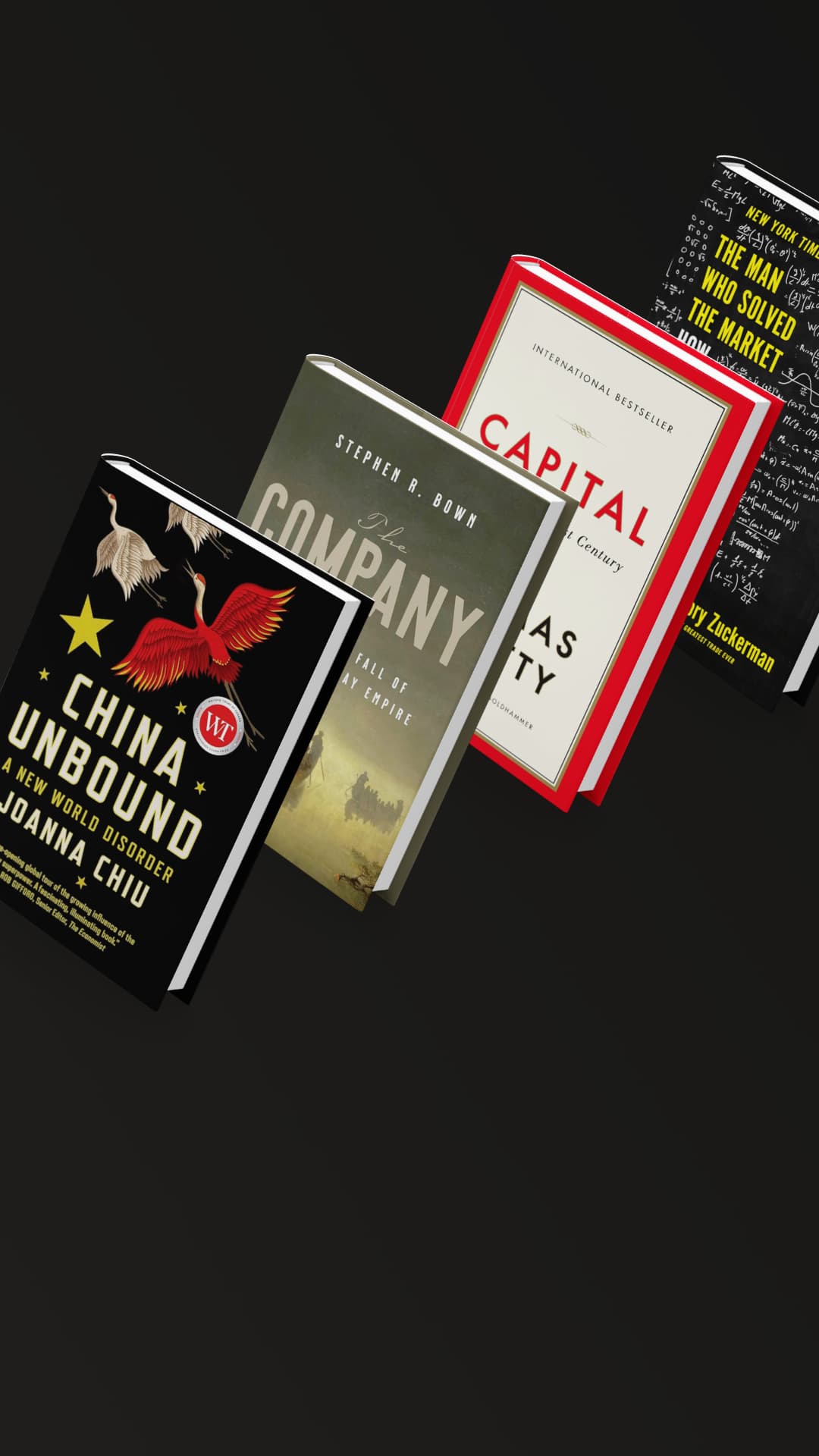
However, the 2026 market is more complex than it was in Graham's time. For a modern perspective on this complexity, I recommend The Man Who Solved the Market by Gregory Zuckerman. This book follows Jim Simons and his team at Renaissance Technologies, who used mathematics to "crack" the code of the markets. While you likely won't be able to replicate their high-frequency trading, the book serves as a vital reminder of the challenges of beating the market. It reinforces why a disciplined, low-cost index fund strategy is the most logical path for 99% of investors.
When you focus on asset allocation, you are essentially deciding how to spread your bets across different types of investments to manage risk. Whether you are interested in dividend investing or the FIRE movement, these advanced texts show you that wealth isn't about the one big score—it's about the thousand small decisions that keep you in the game.
Fast-Track Action: The Intelligent Investor Learn the difference between "investment" and "speculation." If you are buying an asset solely because you hope the price will go up tomorrow, you are speculating. If you are buying because the underlying value justifies the price, you are investing.
Habit-Based Success: Developing Million-Dollar Routines
True wealth is rarely the result of a single lucky event. It is almost always the byproduct of sustainable habits. When we look at books on developing million dollar money habits, we see a recurring theme: systems beat goals every time. People don't rise to the level of their dreams; they fall to the level of their systems.
The Financial Activist’s Playbook by Jasmine Rashid is a modern essential that teaches you how to align your spending with your values. In 2026, building wealth isn't just about hoarding cash; it's about making sure your money is doing work you can be proud of. This book helps readers see that net worth growth can be ethical and community-centered. By making your financial habits reflect your personal beliefs, you are more likely to stick to them over the long haul.
Another classic that belongs on any list of books on building wealth is The Millionaire Next Door by Thomas J. Stanley and William D. Danko. This book shattered the myth of the flashy millionaire. Through intensive research, the authors found that most millionaires live in middle-class neighborhoods, drive used cars, and wear inexpensive watches. Their wealth comes from a high savings rate and a commitment to avoid lifestyle inflation.
Developing these habits is the secret sauce for anyone interested in a best financial books for early retirement strategy. If you can keep your expenses low while your passive income grows through investments, you accelerate your timeline to freedom. The FIRE movement (Financial Independence, Retire Early) isn't about being cheap; it's about being intentional. It's about realizing that every dollar you save today is a "freedom fighter" that works for you forever.
Fast-Track Action: The Millionaire Next Door Perform a "lifestyle audit" this weekend. Identify three areas where you are spending money just to keep up appearances and redirect that cash into your investment account.
FAQ
What are the best personal finance books for beginners?
The most effective starting point is a combination of The Psychology of Money for mindset and Broke Millennial for actionable steps. These books provide a balance of the "why" and the "how," helping you fix your relationship with money while also explaining how to handle debt and savings accounts.
What finance books help with building wealth?
For pure wealth creation, The Simple Path to Wealth and The Millionaire Next Door are unrivaled. They focus on the two main levers of wealth: high savings rates and long-term participation in the stock market through low-cost index funds.
What are the most recommended finance books of all time?
The Intelligent Investor by Benjamin Graham and Rich Dad Poor Dad by Robert Kiyosaki are consistently cited by experts. While Graham provides the technical foundation for value investing, Kiyosaki is famous for changing how people define assets versus liabilities.
Are there good finance books for young adults?
Broke Millennial by Erin Lowry is specifically written for young adults entering the workforce. It uses a relatable tone to explain "grown-up" topics like credit scores, student loans, and negotiating salaries without being condescending or boring.
Which finance books offer the most practical advice?
I Will Teach You to Be Rich by Ramit Sethi offers incredibly practical systems for automating your finances. It provides exact scripts for calling banks to waive fees and outlines a system where your bills are paid and your investments are made before you even see your paycheck.