
Quick Facts
- Target Budget: $37 per week for one person, which is approximately 64% below the national average.
- Core Strategy: A multi-channel routing approach that combines salvage grocers, regional liquidation centers, and dollar stores to bypass retail markups.
- Protein Source: Prioritizing shelf-stable options like canned salmon at $3.35 or dried lentils to maintain high nutrition at low costs.
- Produce Benchmark: Targeting loss-leaders and seasonal produce, specifically items priced under $1 per pound such as carrots or grapes.
- Inventory Rule: A mandatory audit of bulk staple rotation is required before any shopping trip to prevent redundant spending.
- Economic Comparison: This $37 target significantly undercuts the USDA Thrifty Food Plan for 2025, which estimates costs for a single adult between $57 and $71 weekly.
Achieve extreme grocery budgeting with a tactical $37 weekly haul. By balancing salvage grocers, unit price analysis, and clearance hunting, you can beat USDA low-cost benchmarks and build a sustainable financial margin. This methodology prioritizes high-calorie staples and seasonal produce while strictly following pantry week challenge rules to minimize waste and maximize every dollar spent.
The Inventory-First Phase: Auditing Your Way to Savings
Before you ever step foot into a store, the battle for a $37 weekly budget is won or lost in your own kitchen. Many shoppers fall into the trap of imaginary recipe shopping—buying ingredients for a meal they think they want to cook without checking if they already have the foundations. I always advocate for the Inventory First Rule. This is a mandatory audit of your fridge, freezer, and pantry that must occur before a shopping list is drafted. By physically touching every item you own, you reset your brain to see possibilities in what you already have rather than focusing on what you lack.
Effective inventory tracking is not about fancy apps; it is about visibility. Group your bulk staple rotation items—like rice, flour, and beans—where you can see the quantity remaining. When you know you have three pounds of jasmine rice left, you can pivot your meal planning to center on stir-fries or grain bowls, allowing your $37 budget to be spent on fresh produce or supplemental proteins instead of more carbs.
To truly master this phase, I recommend implementing the pantry week challenge once every quarter. During this seven-day period, the rules are simple: you are prohibited from buying any new food, with the exception of perhaps a fresh gallon of milk or a single loaf of bread. You must prepare every meal using only inventory tracking items and freezer stock. Not only does this clear out expiring inventory and prevent food waste, but it also creates a massive financial margin that you can use to fund larger bulk purchases at warehouse clubs in the following month.

Multi-Channel Routing: Liquidation vs. Dollar Store Strategies
If you shop at a high-end traditional supermarket, a $37 budget will likely only cover a few days of food. To survive on extreme grocery budgeting for one person under 40 a week, you must adopt a multi-channel strategy. This means you stop viewing grocery shopping as a one-stop chore and start seeing it as a tactical route. The foundation of this route should be your regional salvage grocers. These stores, often called grocery liquidation centers, sell overstock, seasonal items, or goods near their best-by dates at deep discounts reaching 50% to 70% off retail prices.
Learning how to shop at grocery liquidation stores for deep discounts requires a shift in mindset. You cannot go in with a rigid list. Instead, you go in with a list of categories. If the salvage grocer has a surplus of canned salmon for $3.35, that becomes your primary protein for the week. If they have no affordable meat, you shift to the meatless meal ideas for 37 dollar weekly grocery hauls that you have already planned in your rotation.
Complement these liquidation centers with a strategic dollar store hybrid approach. While dollar stores are not always the cheapest for produce, they are unparalleled for name-brand spices, baking soda, and certain store-brand substitution staples like pasta or canned beans. However, be wary of fuel price volatility. To make extreme grocery budgeting work, you should consolidate your trips. If the salvage grocer and the dollar store are in the same shopping complex, visit them on the same day to ensure your gasoline costs don't eat into your food savings. Successful outlet retail scouting is about maximizing the value of the trip, not just the individual items.
In-Store Execution: Clearance Hunting and Unit Price Mastery
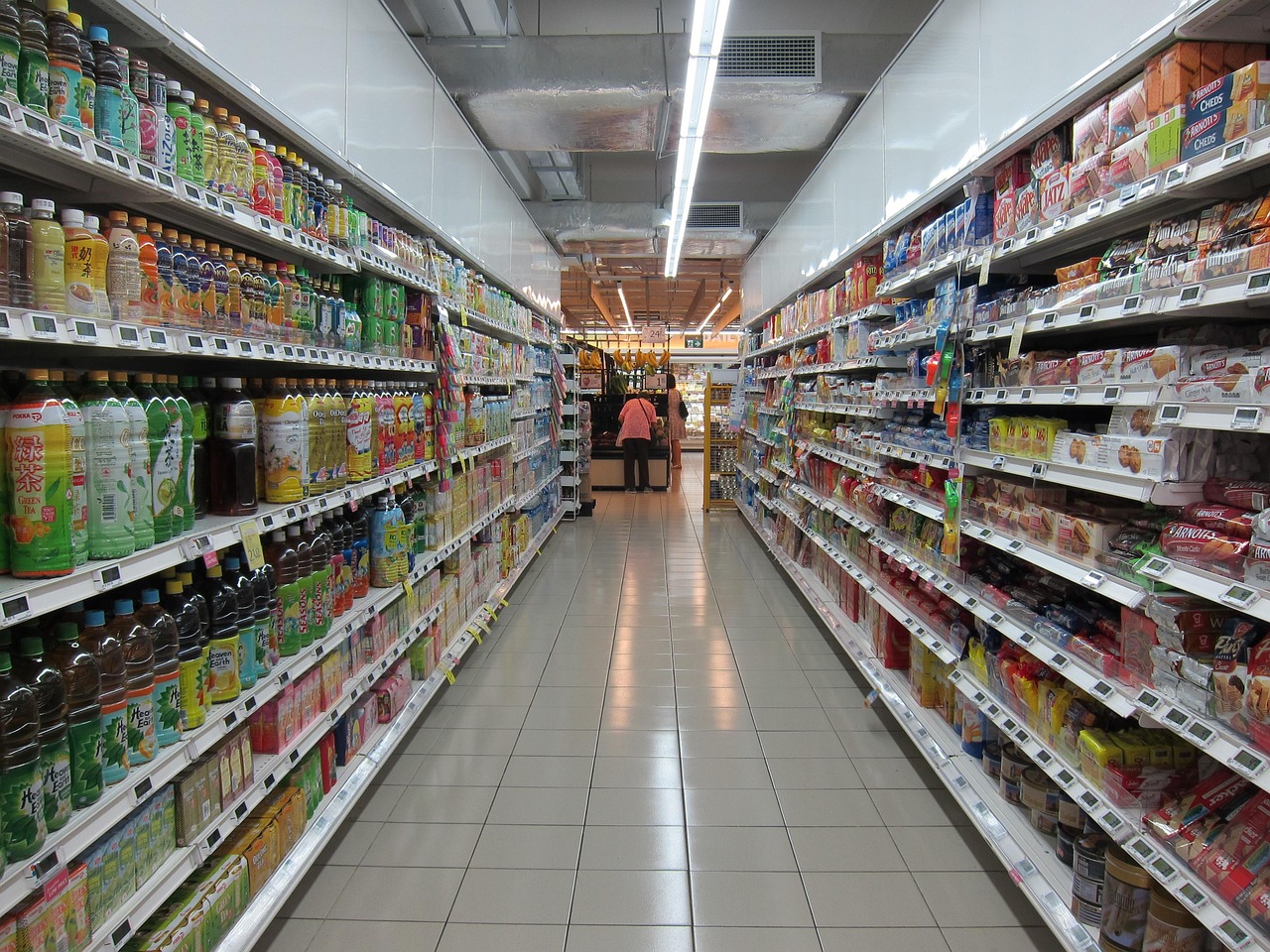
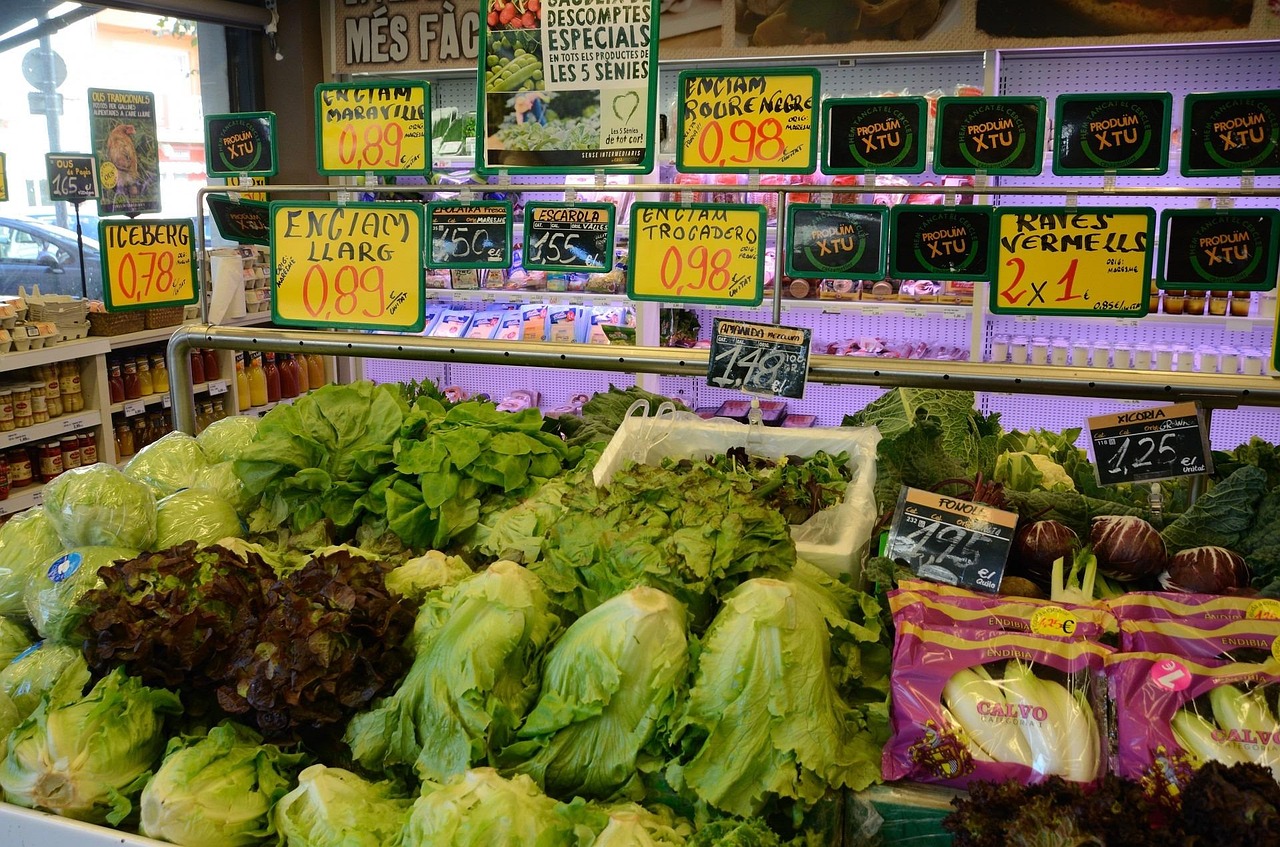
Once inside the store, your focus must shift to precision. A cheap produce shopping guide starts with identifying loss leaders—items that stores price at or below cost purely to get you through the door. For our $37 goal, we are looking for produce priced under $1 per pound. Think of the "Frugal 7" as your nutritional backbone: carrots, russet potatoes, cabbage, bananas, onions, frozen peas, and seasonal fruits like grapes when they hit that $0.99 mark.
The most critical skill you can develop is grocery clearance section hunting tips and strategies. Every major grocery store has a specific area where they stash marked-down items—usually near the back of the meat department or in a designated rack in the produce section. The secret is markdown schedule optimization. For most retailers, Tuesday and Wednesday mornings are the best days and times for grocery markdown shopping. This is when managers evaluate the inventory left over from the weekend and slash prices to make room for new shipments. You can often find high-quality proteins or supportive footwear-level durability in hearty vegetables for 50-75% off.
| Item Category | Target Price Point | Strategy |
|---|---|---|
| Bulk Grains | $0.60 - $0.85 per lb | Unit price analysis of bags larger than 5lbs |
| Deep Clearance Protein | Under $2.00 per lb | Immediate freezing or same-day meal prep |
| Root Vegetables | $0.75 - $1.00 per lb | High calorie-dense ingredients for volume |
| Store Brand Staples | 30% less than Name Brand | Strict store-brand substitution |
Never trust the price tag on the shelf at face value; always perform a unit price analysis. Manufacturers often use deceptive packaging sizes to make an item look like a better deal than it is. Look at the small print on the shelf tag that lists the price per ounce or price per pound. Often, the "family size" is actually more expensive per unit than the standard size. Avoid bulk-buy scams by sticking to the math. By prioritizing calorie-dense ingredients and filling your cart with volume from the produce section first, you ensure you hit your nutritional needs without overspending.
The $37 Menu: Meatless Meals and Stretching Proteins
Cooking on an extreme budget is about ingredient stretching and recipe versatility. My favorite approach integrates meatless meal ideas for 37 dollar weekly grocery hauls at least three to four times a week. Lentils, chickpeas, and black beans are inflation-resistant recipes that provide massive amounts of fiber and protein for pennies. A single bag of dried lentils can form the base of a hearty stew, a cold salad, and even a "meatloaf" alternative.
When you do purchase meat, treat it as a garnish or a component rather than a massive slab in the center of the plate. For example, if you find canned salmon on sale, don't just eat it as a fillet. Transform that one tin into salmon patties with breadcrumbs, a creamy pasta sauce component, and a protein booster for a large salad. This batch cooking efficiency allows you to visualize one ingredient as three distinct meals, reducing the psychological fatigue of eating the same thing every day.
We must also address budget burnout. Extreme grocery budgeting is a marathon, not a sprint. If you are too restrictive, you will eventually crash and spend $50 on a single takeout meal out of frustration. I always recommend allocating $2-3 of your $37 budget for morale foods or small snacks. Whether it is a specific chocolate bar or a bag of salty pretzels, having a small luxury prevents the feeling of deprivation and makes the frugal living lifestyle sustainable.


FAQ
How do I start extreme grocery budgeting?
The best way to start is by performing a total house audit. Stop buying everything except perishables for one week and see what you actually have in the back of your cupboards. This forces you to learn cost-conscious meal planning using existing ingredients. Once you have cleared your space, set a strict cash limit, such as $40, and visit a discount grocery store to see how far you can make it stretch.
Is it possible to eat healthy while extreme budgeting?
Yes, but it requires moving away from processed "health foods" and toward whole-food staples. Focusing on the Frugal 7—potatoes, beans, oats, eggs, frozen vegetables, carrots, and bananas—allows you to maintain a high-nutrient diet. While you might not be buying organic superfoods, you will be eating far better than someone buying expensive processed meals.
What are the cheapest staples to buy in bulk?
Rice, dried beans, lentils, oats, and flour are the most cost-effective items to buy in large quantities. These items have a long shelf life, making them perfect for your bulk staple rotation. Buying 20 pounds of rice at a warehouse club might cost $15, but it provides enough base for dozens of meals, bringing your average cost per serving down to almost nothing.
How can I cut my food bill in half?
Switching to store-brand substitution for every single item and shopping exclusively at salvage grocers or discount retailers can often cut a bill in half instantly. Additionally, eliminating all beverages except water and coffee made at home can save the average person $20 to $40 per month. Monitoring markdown schedules is the final piece of the puzzle to secure high-value items at low prices.
How do you meal plan for extreme savings?
Focus on component cooking rather than specific recipes. Instead of planning for "Chicken Parmesan," plan for "chicken, grain, and vegetable." This allows you to swap in whichever protein is on clearance and whichever seasonal vegetable is under $1 per pound. This flexibility is the secret to maintaining a $37 weekly haul.
Is extreme grocery budgeting sustainable long term?
It is sustainable if you build in flexibility. Many members of frugal living communities use extreme budgeting for three weeks out of the month and then allow for a "stock-up" week where they spend more on bulk essentials. By alternating between aggressive saving and strategic bulk purchasing, you can maintain this lifestyle indefinitely while building significant savings.
Starting the journey toward a $37 weekly grocery haul is not just about the money you save today; it is about the financial freedom you build for tomorrow. By mastering the inventory tracking phase and becoming an expert at markdown schedule optimization, you take control of one of the largest variable expenses in your life. I encourage you to perform your first pantry audit tonight and see just how much potential is already sitting on your shelves.