Quick Facts
- Cheapest Overall: Hyde County features the lowest median property tax bills in the state, averaging $753 annually.
- Lowest Home Prices: Robeson County offers the state's most accessible entry point with median home prices frequently falling under $100,000.
- Best Mountain Value: Jackson County provides a stunning mountain lifestyle with an effective property tax rate of just 0.37%.
- Top Urban Budget Pick: Hickory was ranked as the sixth most affordable place to live in the United States, balancing amenities with low costs.
- Family Value: Eden, North Carolina, boasts a cost of living 22% below the national average.
- 2026 Tax Outlook: North Carolina residents benefit from a flat state income tax rate scheduled to hit 3.99% by 2026.
Looking for the most affordable counties in North Carolina? With the 2026 state income tax rate dropping to 3.99%, NC is more attractive than ever. Hyde, Bertie, and Robeson counties are the cheapest places to live in North Carolina based on low property taxes and home prices under $100k, providing significant savings compared to urban hubs like Raleigh or Charlotte.
The 2026 NC Fiscal Landscape: Why Relocate Now?
Relocating in 2026 presents a unique window of opportunity for budget-conscious buyers. As a mortgage editor, I keep a close eye on state-level fiscal shifts, and North Carolina is currently leading the pack in tax reform. The transition to a flat 3.99% state income tax rate significantly increases the purchasing power for households at every income level. When you combine this with the low cost of living index found in the state's rural corridors, the financial argument for North Carolina becomes undeniable.
We are seeing a trend of tax compression, particularly in high-demand natural regions. For example, while property values in the western mountains are rising, counties like Jackson and Swain maintain some of the North Carolina counties with the lowest effective property tax rates. This happens because high total property values allow the county to keep the actual tax percentage low while still funding local infrastructure. Whether you are weighing rural vs urban living, 2026 is the year to capitalize on these legislative shifts before the market fully prices in these tax advantages.
| Location | Median Home Price | Median Annual Property Tax | Effective Tax Rate |
|---|---|---|---|
| Hyde County | $120,000 | $753 | 0.49% |
| Robeson County | $88,600 | $890 | 0.81% |
| Jackson County | $315,000 | $1,165 | 0.37% |
| Hickory | $213,934 | $1,580 | 0.74% |
| Rocky Mount | $175,000 | $1,420 | 0.85% |
1. Hyde County: The Ultimate Budget Haven
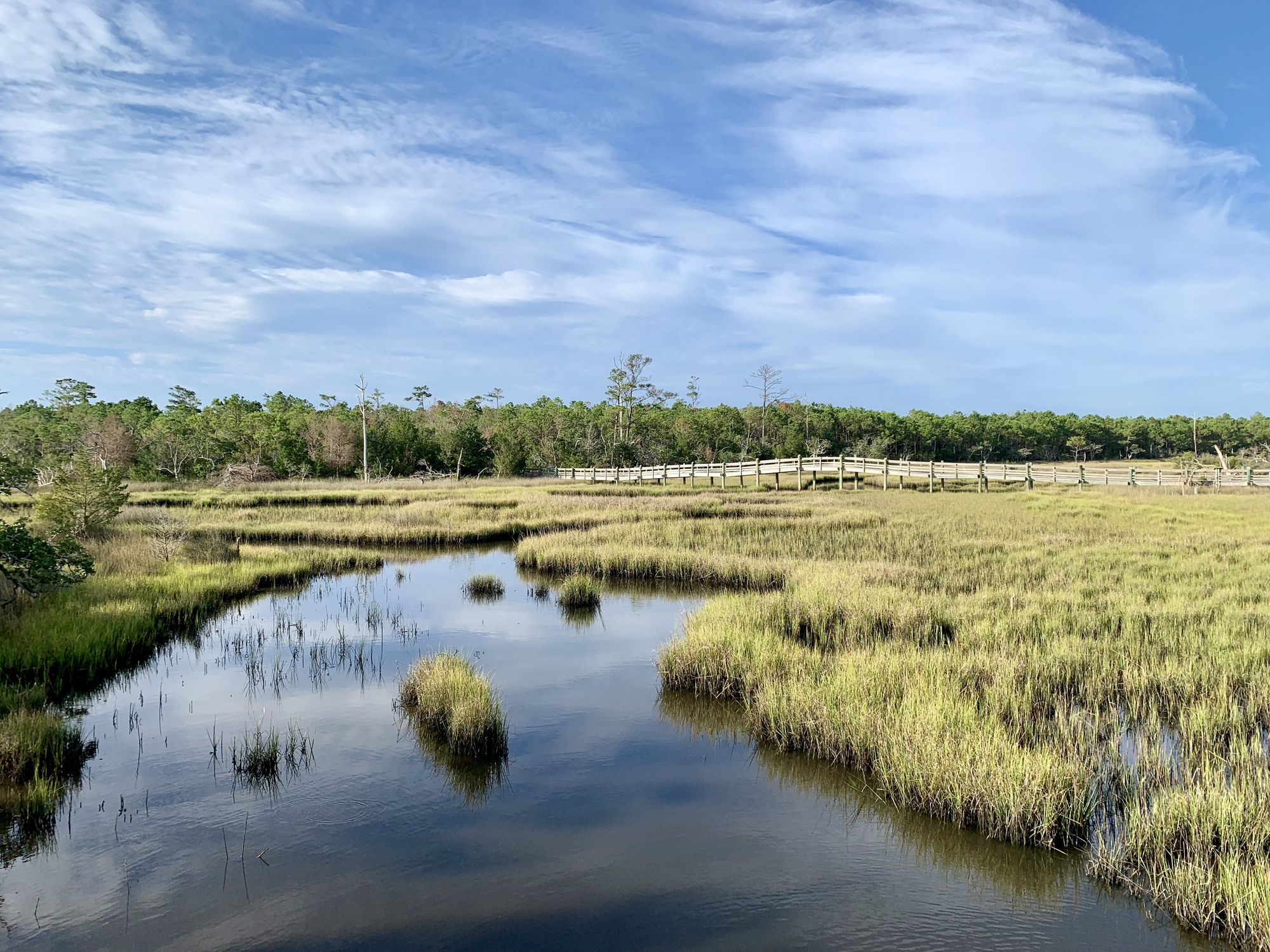
For those prioritizing the absolute lowest recurring costs, Hyde County stands alone. This region is often overlooked by mainstream buyers, yet it consistently ranks as one of the cheapest places to live in North Carolina due to its exceptionally low property tax assessments. Situated in the coastal plains region, Hyde offers a quiet, water-centric lifestyle known locally as the Inner Banks.
By the Numbers Hyde is one of the few NC counties with property taxes under 1000, with a median annual bill of just $753. While the local economy is largely centered on agriculture and fishing, the low entry cost for real estate makes it a prime candidate for retirees or remote workers who don't need to commute to a major city center.
Why We Love It (Lifestyle) If you appreciate a small town lifestyle surrounded by vast wildlife refuges and the Pamlico Sound, Hyde is a treasure. It offers a remote, peaceful atmosphere that is becoming increasingly rare on the East Coast. Proximity to the Outer Banks via ferry provides access to world-class beaches without the high cost of living typically associated with coastal real estate.
2. Robeson County: Lowest Median Home Prices
If your primary goal is to minimize your mortgage payment or buy a home in cash, Robeson County is the strongest contender on this list. It consistently holds the title for the North Carolina counties with lowest median home prices. This makes it an ideal location for those wondering where to live in North Carolina to avoid high city prices while maintaining proximity to major interstates like I-95.
By the Numbers According to recent housing market trends, the median home price in Robeson County remains approximately $88,600. For a buyer with a standard 20% down payment, the resulting monthly mortgage principal and interest would be significantly lower than the average monthly rent in nearby urban centers.
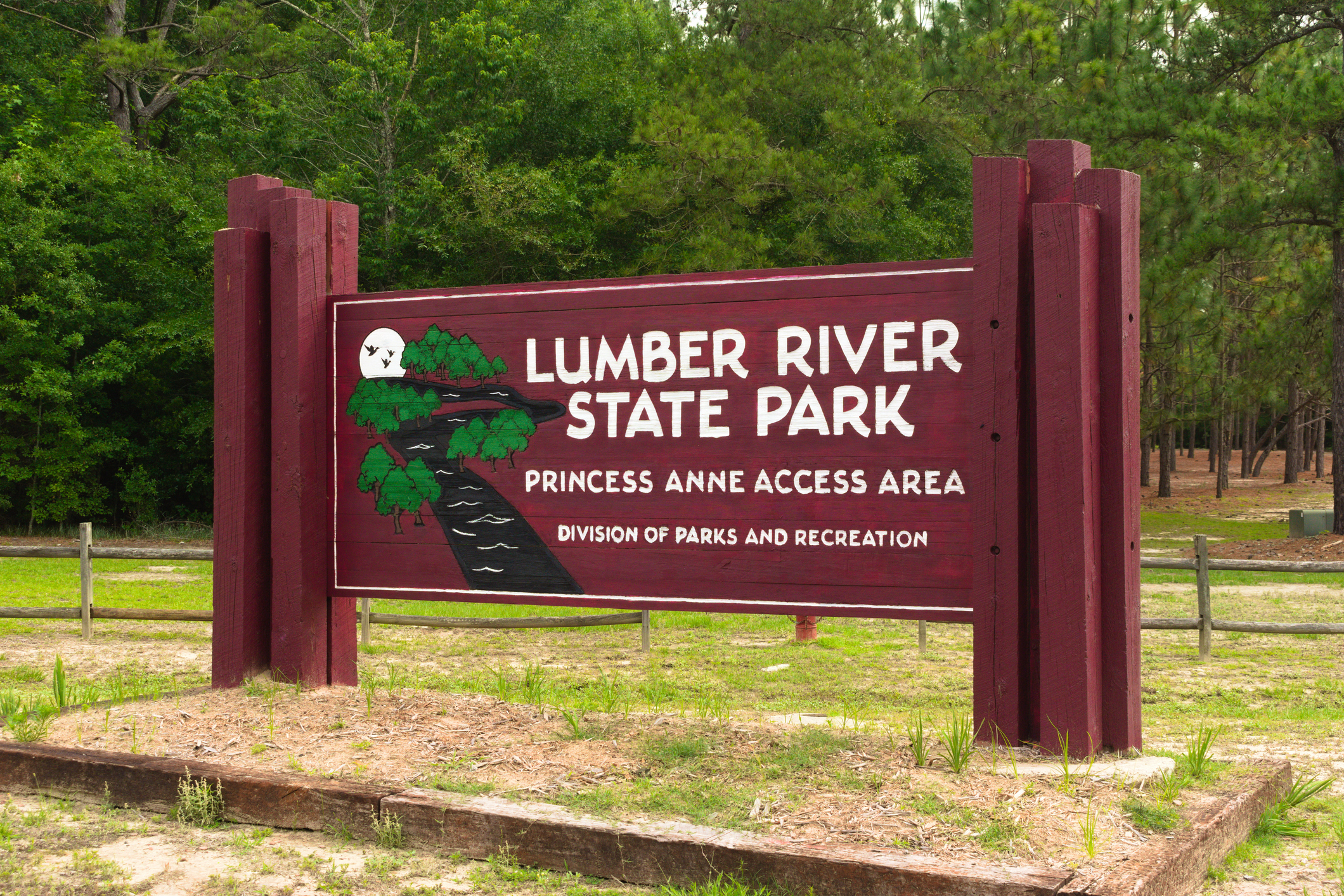
Why We Love It (Lifestyle) Robeson County is best for those who value heritage and regional accessibility. It is home to the University of North Carolina at Pembroke and features rich cultural history. For outdoor enthusiasts, the Lumber River State Park offers miles of scenic water trails for kayaking and fishing, providing high-quality recreation at almost zero cost.
3. Jackson County: Mountain Splendor with Minimum Taxes
Many buyers assume that mountain living requires a premium price tag. While land prices have certainly climbed, Jackson County proves that you can still find cheap places to live in the North Carolina mountains 2026. The financial secret here isn't the home price, but the tax rate. Jackson County consistently reports an effective property tax rate of around 0.37%, among the lowest in the entire southeastern United States.
By the Numbers While the median home price here is higher than in the coastal plains, the long-term cost of ownership is kept in check by the North Carolina counties with the lowest effective property tax rates. A home valued at $300,000 in Jackson County would have a lower annual tax bill than a $150,000 home in many other states.
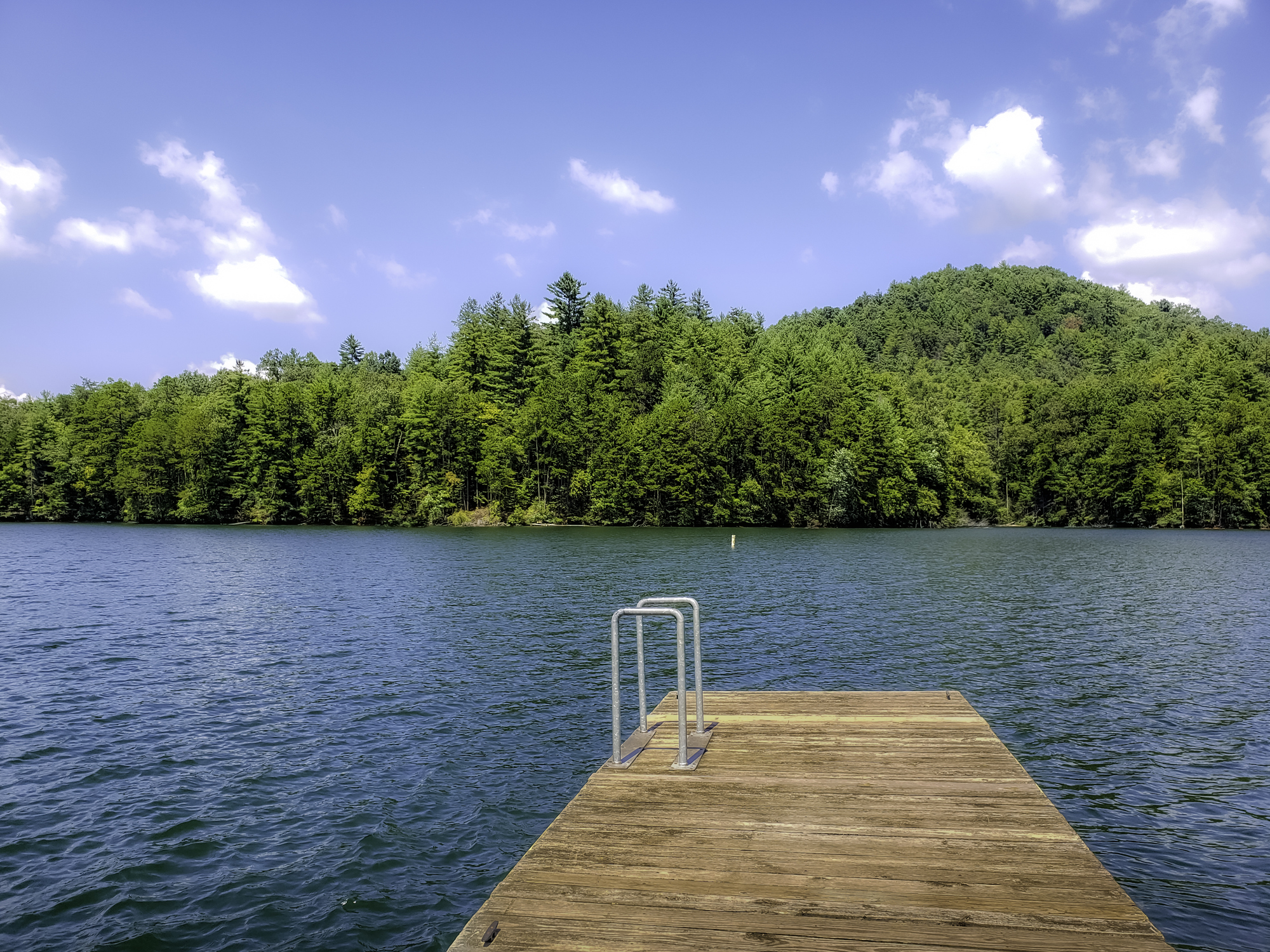
Why We Love It (Lifestyle) This is one of the premier outdoor recreation hubs in the country. Residents have immediate access to the Blue Ridge Mountains, the Great Smoky Mountains National Park, and the stunning Whitewater Falls. For remote workers who crave nature, this county offers the best balance of lifestyle and fiscal responsibility.

4. Rockingham County (Eden): The Best Value for Families
For families looking to maximize their quality of life, the city of Eden in Rockingham County is a standout. It is frequently recognized as one of the most budget-friendly locations in the state. Eden features a cost of living that is 22% below the national average and 14.3% below the state average, making it one of the most affordable counties in North Carolina for raising a family.
By the Numbers Eden provides a rare combination of low cost and stable housing market trends. The community offers affordable rural places to live in North Carolina that still provide essential municipal services. The property tax assessment here is balanced, ensuring that residents receive high-quality parks and schools without the aggressive tax hikes seen in the Research Triangle.
Why We Love It (Lifestyle) The small town lifestyle in Eden is centered on community and outdoor activity. With two rivers flowing through the town, families enjoy easy access to the Smith River and Dan River for weekend outings. The historic downtown area is undergoing a revitalization, offering charm and local commerce without the high prices of a major metro area.
5-7. The Inner Banks Gems: Bertie, Washington, and Tyrrell
Tucked away in the northeastern corner of the state, these three counties represent the heart of the Inner Banks. They are perfect for those seeking North Carolina counties with lowest property taxes while remaining within driving distance of the coast. These are consistently NC counties with property taxes under 1000, which is a major draw for retirees on a fixed income.
- Bertie County: Known for its expansive farmlands and riverfront views, Bertie is one of the cheapest places to live in North Carolina for those seeking total seclusion.
- Washington County: Home to Somerset Place and Lake Phelps, this region offers affordable rural places to live in North Carolina with a heavy emphasis on historic preservation.
- Tyrrell County: The least populous county in the state, Tyrrell is the place for those who truly want to unplug. It offers incredible value for waterfront property that would cost five times as much in a developed beach town.
Housing market trends in these regions show a stable, slow-growth pattern. As a mortgage advisor, I often suggest these areas for buyers who plan to stay long-term. While you might not see the 20% annual appreciation found in Charlotte, your cost of carry is so low that you can build equity much faster than you would in a high-cost area.
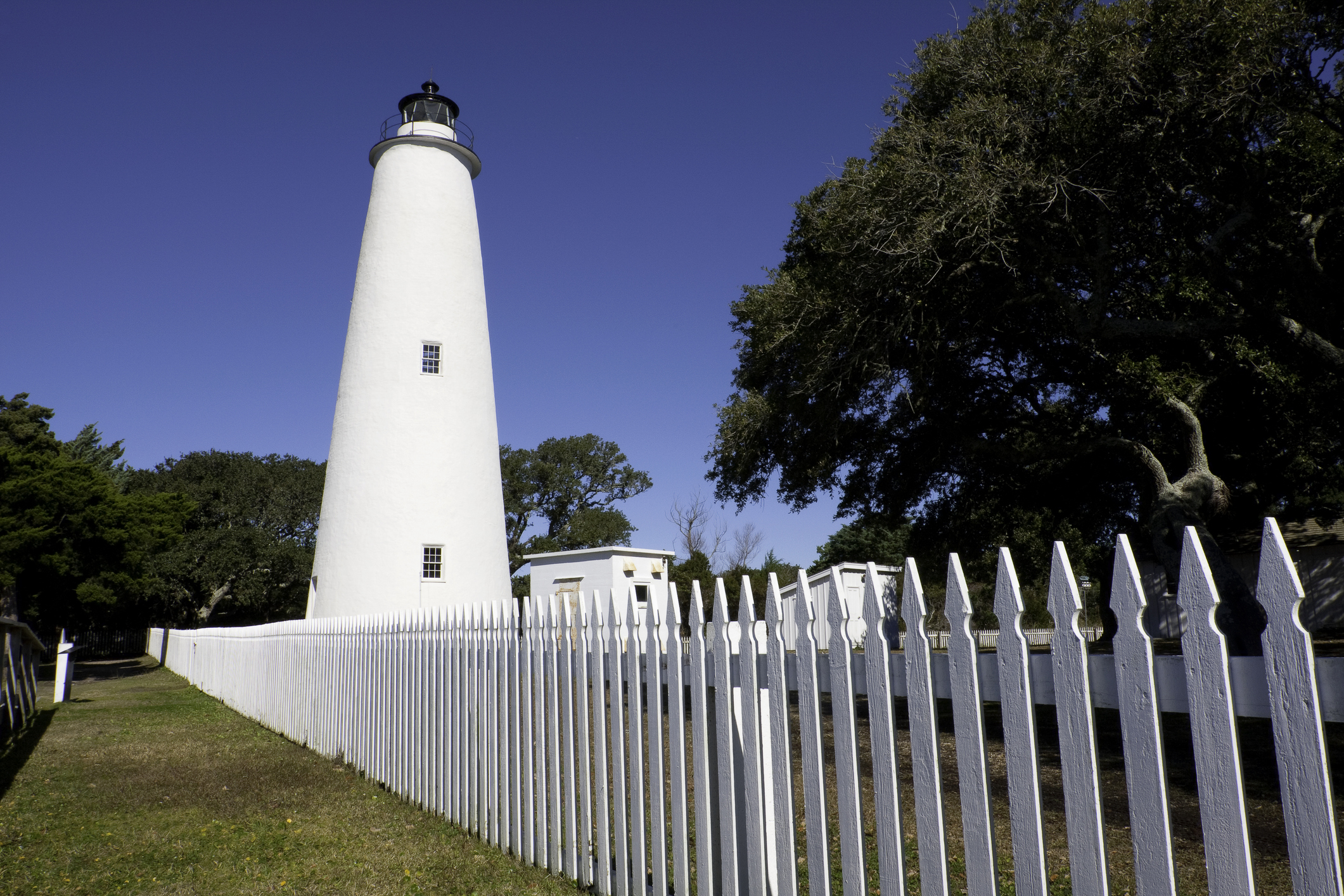
8-10. Mid-Major Alternatives: Greensboro, Fayetteville, and Hickory
If your career requires proximity to a larger job market or urban amenities, you don't necessarily have to pay Raleigh prices. There are several cities that rank as the best places to live in NC on a budget while providing a robust urban infrastructure.
Hickory U.S. News & World Report ranked Hickory, North Carolina, as the sixth most affordable place to live in the United States for 2024. It reports a median home price of $213,934 and a median monthly rent of $890. This makes it an exceptional choice for young professionals and remote workers who want a city feel without the financial stress.
Rocky Mount According to 2025 real estate data from Redfin, Rocky Mount is identified as the most affordable place to live in North Carolina, featuring a median home sale price of $175,000. It offers a strategic location between the Triangle and the coast, making it a great home base for those who travel frequently.
Fayetteville Fayetteville is often the go-to recommendation for those who need a large city environment on a budget. With a median home price hovering around $230,000, it provides a much lower entry point than the major tech hubs. The city features a diverse economy and strong rental demand, making it a favorite for property tax assessment and investment analysis.
FAQ
What is the cheapest city to live in North Carolina?
Based on recent real estate data, Rocky Mount is currently the most affordable city in North Carolina with a median home sale price of $175,000. If you are looking for a smaller town with a lower cost of living index, Eden is a top contender, offering costs that are 22% below the national average.
Where is the most affordable place to live in North Carolina near the beach?
Hyde County is the most affordable coastal plains region for those who want proximity to the water without the high prices of the Outer Banks. It features the lowest median property tax bills in the state. Other great options include the Inner Banks counties of Bertie and Tyrrell, where you can find waterfront property and property taxes under 1000.
Which mountain towns in North Carolina have the lowest cost of living?
Jackson County and Swain County are the best mountain towns for budget-conscious residents. While home prices are moderate, these areas have the North Carolina counties with the lowest effective property tax rates, often as low as 0.37% to 0.41%. This makes the long-term cost of living in these regions significantly lower than in mountain hubs like Asheville.
What salary is needed to live comfortably in North Carolina?
To live comfortably in the cheapest places to live in North Carolina, a household income of $45,000 to $55,000 is often sufficient due to low housing and tax costs. In more urbanized affordable areas like Hickory or Greensboro, a salary of $60,000 to $70,000 typically covers all necessities while allowing for savings, especially with the state income tax rate dropping to 3.99%.
How does the cost of living in North Carolina compare to the national average?
Overall, North Carolina offers a very competitive cost of living. While the state average is slightly below the national midline, specific rural counties and mid-sized cities offer savings of 10% to 22% below the national average. The primary drivers of these savings are the low property tax environment and the state's aggressive move toward a lower flat income tax rate.
Methodology & Data Sources
To provide this 2026 outlook, I analyzed property tax assessment data from the North Carolina Department of Revenue and median home sale prices from Redfin’s 2025 market reports. Additional rankings for metro-area affordability were sourced from U.S. News & World Report and Houzeo’s real estate analysis. When considering relocation considerations, always verify current tax millage rates with the specific county tax assessor, as local referendums can influence yearly bills. My focus remains on providing a data-backed perspective to help you navigate the housing market trends of the Southeast.