Quick Facts
- Towing Avoidance: The average towing fee is $129; proactive checks cost under $20.
- Battery Loss: Car batteries lose 35% of strength at 32°F and 60% at 0°F.
- Tire Safety: Pressure drops 1 PSI for every 10°F decrease in temperature.
- Safe Tread: 3/32-inch is the minimum threshold for winter traction.
- Fuel Tip: Keep tank at least half full to prevent fuel line freeze.
Effective winter car maintenance involves performing basic DIY checks on your battery, tire pressure, and fluid levels before sub-zero temperatures hit to avoid emergency repairs. By prioritizing these winterizing your car steps, you can save significant money on towing and automotive insurance premiums.
As sub-zero temperatures arrive, winter car maintenance becomes your best defense against high repair costs. Taking time for winterizing your car now can prevent the heavy cost of neglecting winter car maintenance, which often results in $129 towing fees or multi-point inspection bills. By focusing on car care for winter weather, you protect both your wallet and your safety on icy roads.

Winter has a way of exposing the financial cracks in your household budget. When your car fails to start on a Tuesday morning or slides into a curb because of worn tires, you aren't just dealing with a mechanical failure; you are dealing with a preventable financial emergency. As an editor specializing in financial planning, I view car care for winter weather through the lens of risk management. Your vehicle is likely your second most expensive asset, and protecting it from road salt corrosion and harsh temperatures is simply smart money management.
1. Battery Health: The First Cold Weather Casualty
Think of your car battery as a chemical reservoir. In warm weather, those chemicals react quickly to provide the surge of energy needed to turn your engine over. However, cold weather works like a thickener, slowing down the chemical reactions and making the oil in your engine more viscous and harder to move. According to AAA, a car's battery loses approximately 35 percent of its strength at 32 degrees Fahrenheit and roughly 60 percent at 0 degrees Fahrenheit.
If your battery is over three years old, it is statistically nearing the end of its reliable lifespan. Rather than waiting for the morning your car refuses to click at 6:00 AM, perform some battery diagnostics and DIY testing now. You can check car battery at home for winter using a basic multimeter, which should read about 12.6 volts when the car is off. Alternatively, many auto parts stores provide free testing as a loss-leader service to get you in the door.
There are also physical signs car alternator is struggling in winter, such as dimming headlights or a slow engine crank. If you notice these, you are on borrowed time. Spending $150 on a new battery today is infinitely cheaper than paying for a last-minute jump-start or a tow to an ASE-certified technician during a blizzard.
2. Tire Integrity and Pressure Adjustments
Your tires are the only point of contact between your multi-ton vehicle and black ice. Proper winter car maintenance requires a two-pronged approach to your rubber: tread depth and air pressure. As temperatures drop, physics dictates that air contracts. For every 10-degree drop in outside temperature, your tire pressure will drop by about 1 PSI.
The U.S. Department of Energy reports that for every 1 PSI drop in pressure across all four tires, a vehicle's fuel economy decreases by approximately 0.2 percent. While a few cents at the pump might not seem like much, the real danger is the loss of traction. Under-inflated tires do not grip the road as intended and can lead to uneven wear, forcing you to replace tires thousands of miles early. Aim for a specific winter tire pressure adjustment for cold weather by following the sticker inside your driver-side door jamb, not the maximum PSI listed on the tire itself.
For tread depth, the old "penny test" remains the cheapest ways to winterize your car. Insert a penny into the tread with Lincoln's head facing down. If you can see the top of his head, your tread is likely below the 3/32-inch limit required for safe winter traction. If you have the budget, swapping to winter tires is a sound long-term investment. They are made from a softer rubber compound that remains pliable in sub-zero temperatures, providing significantly shorter stopping distances than all-season tires.
3. Essential Fluids: The 50/50 Rule and Fuel Lines
Maintaining your vehicle’s fluids is the chemical version of wearing a heavy coat. The most critical fluid check is your engine coolant. Typically, your radiator should contain a 50/50 mix of engine coolant and distilled water. If your mixture has too much water, it can freeze, expand, and crack your engine block or blow out your radiator—a repair bill that can easily reach $4,000.
Beyond the radiator, you must consider visibility. Standard "summer" fluid will freeze inside your reservoir and lines. When choosing winter grade windshield washer fluid, look for a "de-icer" label that typically handles temperatures down to -20°F. This prevents the spray from turning into a sheet of ice the moment it hits your cold windshield.
One of the best keeping gas tank half full in winter benefits is preventing fuel line from freezing in winter. As temperatures fluctuate, condensation can form on the empty walls of your gas tank. This water eventually sinks to the bottom and can be pulled into the fuel lines, where it freezes and blocks the flow of gasoline to your engine. By keeping at least half a tank of gas, you minimize the air space where condensation can form, ensuring your car starts every single time.
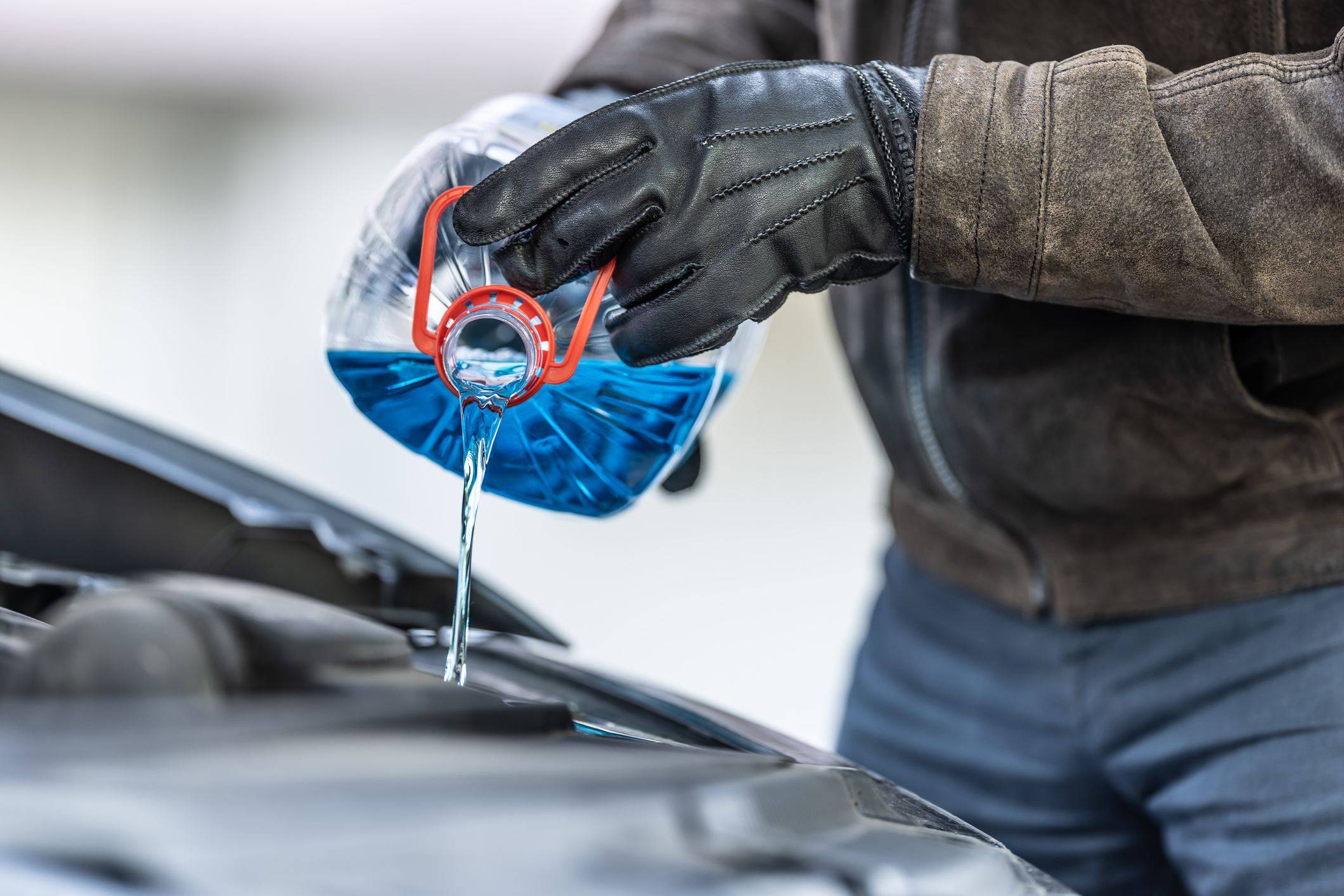
Mason's Pro-Tip: Perform a "squeeze test" on your radiator hoses. With the engine cool, squeeze the rubber hoses. If they feel brittle, crunchy, or excessively soft, they are at risk of bursting under the high pressure of a winter heating cycle. Replacing a $20 hose now is part of the cheapest ways to winterize your car compared to an emergency repair on the shoulder of a highway.
4. Visibility and Shielding: Wipers and Glass
You cannot drive what you cannot see. Winter takes a massive toll on standard windshield wipers. The thin rubber on standard blades can tear when frozen to the glass, or the metal frame can get packed with snow, preventing the blade from making contact with the windshield. Upgrading to winterized windshield wipers is a low-cost step for winter car safety essentials. These wipers are often encased in a protective rubber "boot" that prevents ice buildup.
When it comes to the glass itself, how to clear snow and ice from car windows safely is a matter of patience and the right tools. Never use boiling or hot water to melt ice on your car, as the thermal shock can shatter the glass instantly. Similarly, do not use metal scrapers, which can scratch the glass and ruin the coating.
It is also important to clear the snow from your entire car body, not just the windows. Leaving a pile of snow on your roof is a safety hazard for drivers behind you and is often a legal requirement. In many states, if a chunk of ice flies off your car and causes an accident, your automotive insurance premiums will skyrocket, or you could be held personally liable for damages.
5. The Winter Emergency Kit: Safety vs. Survival
Part of your winterizing your car strategy should include preparing for the worst-case scenario. Even a perfectly maintained car can get stuck behind an accident or hit a patch of black ice. The difference between a cold afternoon and a life-threatening situation often comes down to what is in your trunk.
When building your essential items for a winter car emergency kit list, divide it into "Vehicle Tools" and "Survival Items."
Vehicle Recovery Tools:
- A sturdy ice scraper and snow brush.
- A compact shovel for digging out tires.
- High-quality jumper cables or a portable lithium-ion jump starter.
- Traction aids like a bag of sand, clay-based kitty litter, or traction mats.
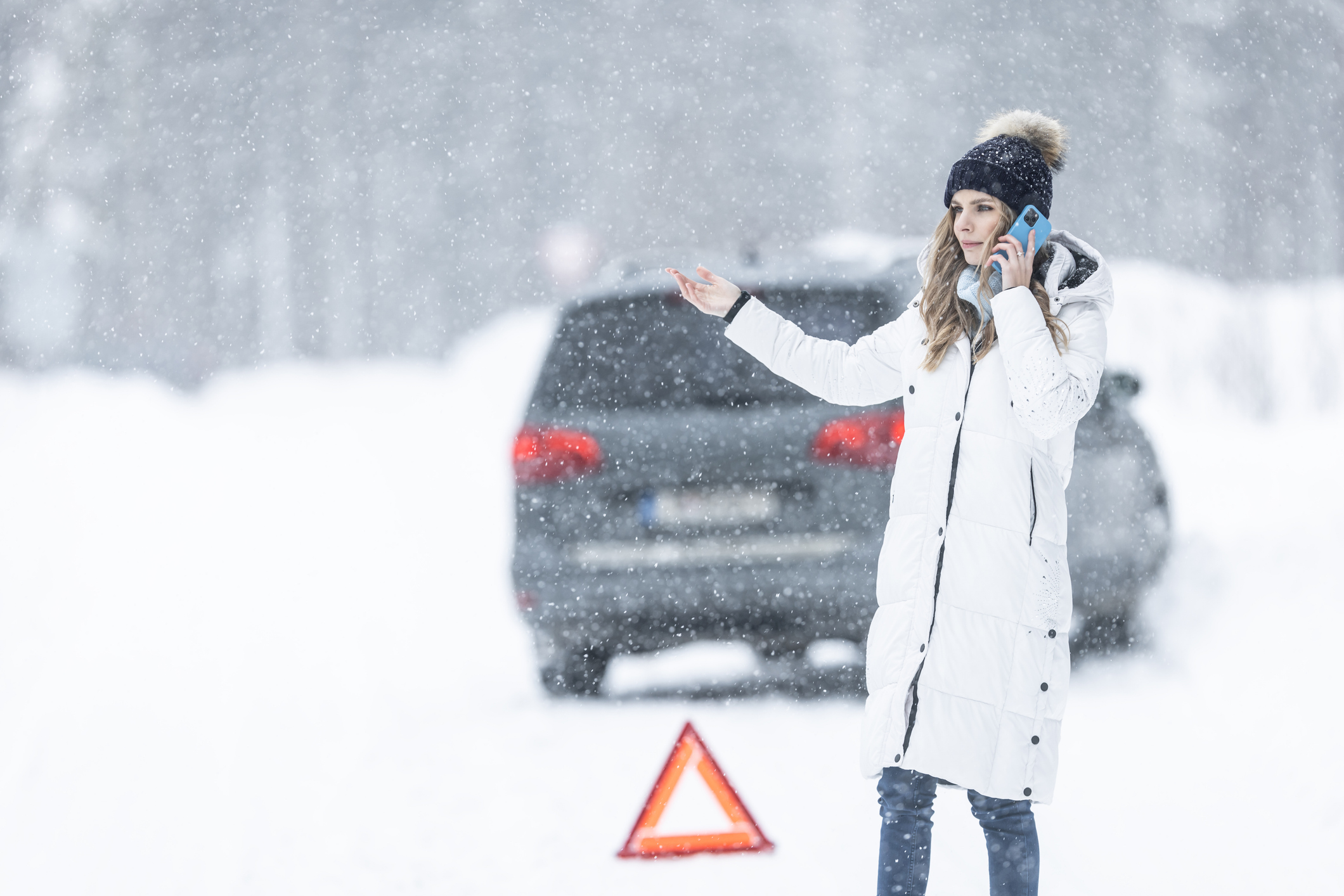
- Roadside flares or reflective triangles to warn other drivers.
Human Survival Necessities:
- Heavy wool blankets or a space-age Mylar emergency blanket.
- A high-lumen flashlight with extra batteries (keep batteries in your glove box).
- Non-perishable snacks (energy bars, dried fruit) and bottled water (replace every 6 months).
- A basic first aid kit and an extra external power bank for your cell phone.
If you are stranded, your priority is staying warm and visible. Run the engine for only 10 minutes every hour to generate heat, and ensure your exhaust pipe is clear of snow to prevent carbon monoxide poisoning. Having these items on hand dramatically reduces the cost of neglecting winter car maintenance, as you can often self-recover rather than waiting for expensive roadside assistance.
FAQ
How do I prepare my car for winter weather?
Preparing your car involves a multi-point inspection focusing on visibility, traction, and electrical health. Start by testing your battery, checking tire tread depth, and ensuring your coolant is a proper 50/50 mix. You should also switch to winter-grade fluids and assemble an emergency kit before the first freeze.
What is included in a winter car safety check?
A comprehensive safety check includes verifying the integrity of your tires, testing your battery strength, inspecting windshield wipers, checking all exterior lights, and ensuring your heating and defrosting systems are fully operational. It is also the best time to check for road salt corrosion on the undercarriage.
Does cold weather affect my car's battery?
Yes, cold weather significantly impacts battery performance. Sub-zero temperatures slow the chemical reactions inside the battery, which reduces its ability to provide power. At 0°F, a battery has about 60% less cranking power than it does at 80°F, while the engine simultaneously requires more power to turn over due to thickened oil.
How can I protect my car's paint and underbody from road salt?
The best protection is a high-quality wax or ceramic coating applied before winter begins. Once winter starts, wash your car frequently at a facility that includes an undercarriage spray. This removes the road salt that causes corrosion and rust on the frame, fuel lines, and brake lines.
What should be in a winter car emergency kit?
Your kit should include vehicle recovery tools like an ice scraper, shovel, jumper cables, and sand for traction. For personal safety, pack warm blankets, a flashlight, non-perishable snacks, water, a first aid kit, and reflective flares.
Which fluids should be checked before winter starts?
The four essential fluids to check are engine coolant (to prevent freezing), windshield washer fluid (must be the de-icer variety), engine oil (ensure it is the correct viscosity for cold), and your fuel level (keep it at least half full to prevent fuel line freeze).
The secret to saving money on winter car maintenance is being proactive. Don't wait for the first blizzard to find out your battery is weak or your tires are bald. Take a single Saturday morning to go through these checks. Your wallet, and your peace of mind, will thank you when the mercury inevitably drops.