Quick Facts
- Wealth Impact: Strategic adjustments to your portfolio can generate approximately 6.1% more after-tax, risk-adjusted wealth over a 30-year horizon with a 7% annual return.
- RMD Age: Under SECURE Act 2.0, traditional IRA owners must begin withdrawals at age 73 for those born 1951-1959; 75 for those born 1960 or later.
- The Deadline: Unlike annual contributions which have an April 15 deadline, a conversion must be completed by December 31 of the calendar year to count for that tax year.
- Irrevocability: Since the Tax Cuts and Jobs Act of 2018, conversions are permanent and cannot be undone or recharacterized once the move is made.
- Medicare Watch: Your MAGI from two years prior determines your surcharges, meaning a conversion today impacts your healthcare costs in 24 months.
- Optimal Window: The most effective time for these moves is during the retirement gap—the years between stopping a full-time salary and starting mandatory distributions.
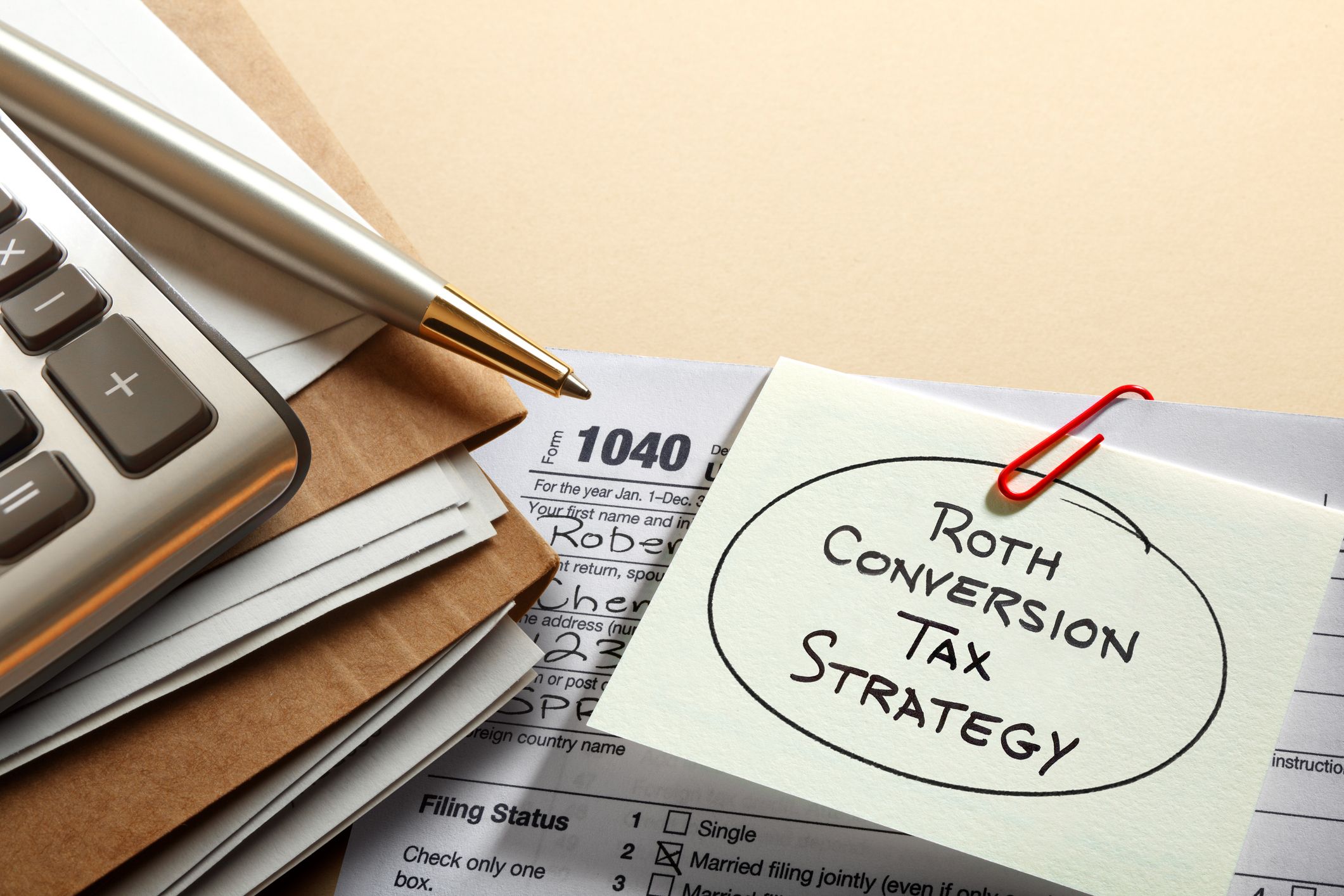
Strategic Roth conversions are more than just moving money; they are a long-term Roth conversion strategy designed to hedge against future tax hikes and eliminate RMDs. By shifting assets from tax-deferred accounts to a Roth IRA, you pay taxes at today's rates to secure tax-free growth and withdrawals, ultimately lowering your total post-retirement tax liability.
The Lifetime Tax Logic: Why Now?
The fundamental goal of a Roth conversion strategy is to arbitrage your own tax rates over time. We are currently living through a period of historically low income tax rates. The current top federal income tax rate of 37% is scheduled to sunset after 2025, returning to higher levels. When you consider that rates have been as high as 94% in 1944, paying the tax bill now at 12%, 22%, or 24% looks mathematically advantageous for many households.
By executing a multi-year Roth conversion plan, you are effectively pre-paying your tax bill at a known, lower rate to avoid an unknown, potentially higher rate in the future. This is particularly relevant for those with large traditional IRA balances who face a massive tax cliff when required minimum distributions (RMDs) kick in. Without a plan, those mandatory withdrawals could push you into higher Marginal tax brackets exactly when you want your expenses to be most predictable.
Beyond the immediate tax-free retirement income strategy, Roth accounts offer superior tax-free compounding. Because you are paying the tax bill today, every dollar remaining in the account grows without the drag of future federal or state income taxes. This creates a powerful wealth-building engine that traditional accounts simply cannot match over a long timeline.
The IRMAA Trap: Roth Conversion Medicare Premiums
While the long-term benefits are clear, the short-term compliance requirements are strict. One of the most common blind spots I see in tax planning is the impact of Roth conversion Medicare premiums. For retirees age 63 and older, a large conversion can trigger the Income-Related Monthly Adjustment Amount (IRMAA).
Because Medicare uses a two-year Medicare look-back period, a conversion done in 2024 will dictate your Part B and Part D premiums in 2026. If your modified adjusted gross income (MAGI) crosses specific thresholds, your monthly premiums can double or triple. These are not progressive taxes; they are "cliffs," where being $1 over the limit triggers the full surcharge for the entire year.
To avoid a significant spike in Roth conversion Medicare premiums IRMAA, you must monitor your MAGI levels closely:
- Single filers should watch the $106,000 base threshold (for 2024).
- Joint filers should be aware of the $212,000 base threshold.
- Tiers increase at specific intervals (e.g., $133,000, $165,000, $197,000 for individuals).
Keeping your income just below these cliffs is a critical part of a multi-year Roth conversion plan. In some cases, it may be cheaper to pay a slightly higher tax rate on a conversion than it is to trigger the next level of IRMAA surcharges.
Developing a Multi-Year Roth Conversion Plan
The most effective way to manage these costs is the "bracket filling" method. Rather than converting a large lump sum and jumping into a higher marginal rate, you spread the conversion over several years. This allows you to utilize the full capacity of your current tax bracket without spilling over into the next tier.
For example, if you are in the 22% bracket and have $30,000 of "space" left before you hit the 24% bracket, you might convert exactly that amount. This precision is why I recommend waiting until late November or December to finalize the specific dollar amount once your annual income is clearly defined.
Pro-Tip: Always pay the conversion tax using cash from a taxable brokerage or savings account rather than withholding from the IRA itself. Using IRA funds to pay the tax reduces the amount that can grow tax-free and may trigger a 10% early withdrawal penalty if you are under age 59.5.
You must also remain mindful of the Pro-rata rule. If you have a mix of pre-tax and after-tax dollars in your traditional IRAs, you cannot choose to only convert the after-tax portion. The IRS views all your traditional IRAs as one bucket, and the conversion will be taxed proportionally. Furthermore, remember the Five-year rule: you must wait five years after your first Roth contribution—or five years from each conversion for those under 59.5—to withdraw earnings tax-free. Finding the optimal tax bracket for Roth IRA conversion requires balancing these technical rules with your cash flow needs.
Minimizing RMDs and Legacy Planning
A major incentive for this move is the elimination of required minimum distributions. Federal law states that original Roth IRA owners are exempt from RMDs during their lifetime. This gives you total control over your distributions, allowing you to leave the money invested if you don't need it for living expenses. Minimizing RMDs with Roth conversions is often the single most effective way to keep your Adjusted Gross Income (AGI) low in your 80s and 90s.
This control also extends to your heirs. Under the SECURE Act, most non-spouse beneficiaries must empty an inherited IRA within 10 years. If they inherit a traditional IRA, those withdrawals are fully taxable—often during their own peak earning years. By converting to a Roth IRA now, you provide your beneficiaries with a tax-free inheritance, shielding them from a massive tax burden. Using specific Roth conversion rules for inherited IRAs during your lifetime can be the ultimate gift of Tax diversification for the next generation.
| Feature | Traditional IRA | Roth IRA |
|---|---|---|
| Upfront Tax Benefit | Immediate deduction | None (pay now) |
| Future Growth | Tax-deferred | Tax-free |
| RMD Requirements | Age 73 or 75 | No lifetime RMDs |
| Legacy to Heirs | Taxable income | Tax-free income |
| 30-Year Wealth Impact | Base | 6.1% increase |
Critical Deadline: To have a conversion count for the current tax year, the funds must leave the traditional IRA and be deposited into the Roth IRA by December 31st. There are no extensions for this deadline.
FAQ
What is the best strategy for a Roth conversion?
The most effective strategy is a multi-year plan that fills up your current lower tax bracket without triggering a higher marginal rate or excessive Medicare surcharges. By spreading the conversion over 5 to 10 years, you can move a significant amount of wealth into a tax-free environment while keeping your annual tax bill manageable.
Is a Roth conversion a good idea right now?
Current federal tax rates are scheduled to increase after 2025 when the Tax Cuts and Jobs Act provisions expire. For many investors, converting now allows them to "lock in" historically low rates of 12%, 22%, or 24% before the rates likely revert to higher levels in 2026.
How much tax will I pay on a Roth conversion?
You will pay ordinary income tax on the amount you convert from a pre-tax traditional IRA to a Roth IRA. The exact amount depends on your total income for the year, as the converted amount is added to your other earnings to determine your final tax bracket. If you have after-tax contributions in your IRA, the Pro-rata rule will determine the non-taxable portion.
At what age should you stop doing Roth conversions?
There is no legal age limit for conversions, but the strategy often becomes less effective once you start taking RMDs at age 73 or 75. The "sweet spot" is typically between age 60 and 73, after your peak earning years but before mandatory distributions begin, as this is when your income—and thus your tax rate—is often at its lowest.
How does a Roth conversion impact Social Security benefits?
A conversion increases your MAGI for the year the conversion is performed. This can result in a higher percentage of your Social Security benefits being subject to income tax (up to 85%). However, long-term, having a Roth IRA can help keep your future income lower, which may actually reduce the tax on your Social Security benefits in later years.
A successful Roth conversion strategy for high earners requires a delicate balance of technical compliance and long-term vision. Because these decisions are irrevocable, I strongly recommend coordinating with a tax professional to model your multi-year projections before pulling the trigger on a year-end conversion. By managing the tax cliffs today, you secure a more stable, tax-efficient retirement for decades to come.